In this edition of Saints & Cinephiles, we pay homage to a director of subversive horror films that redefined the meaning of Latter-day Saint cinema.
By Isaac Bing Wright. Cross-posted from Substack.
For most audiences, Mormon moviemaking is a narrow spectrum, synonymous with clean comedies or moralistic animated stories. But for José María Oliveira, gospel filmmaking meant grappling with the stranger, darker impulses of the human spirit. Long thought to be lost, his remastered films offer a glimpse of a vastly different approach to Latter-day Saint cinema – and an inspiration to future generations of Mormon writers and directors.
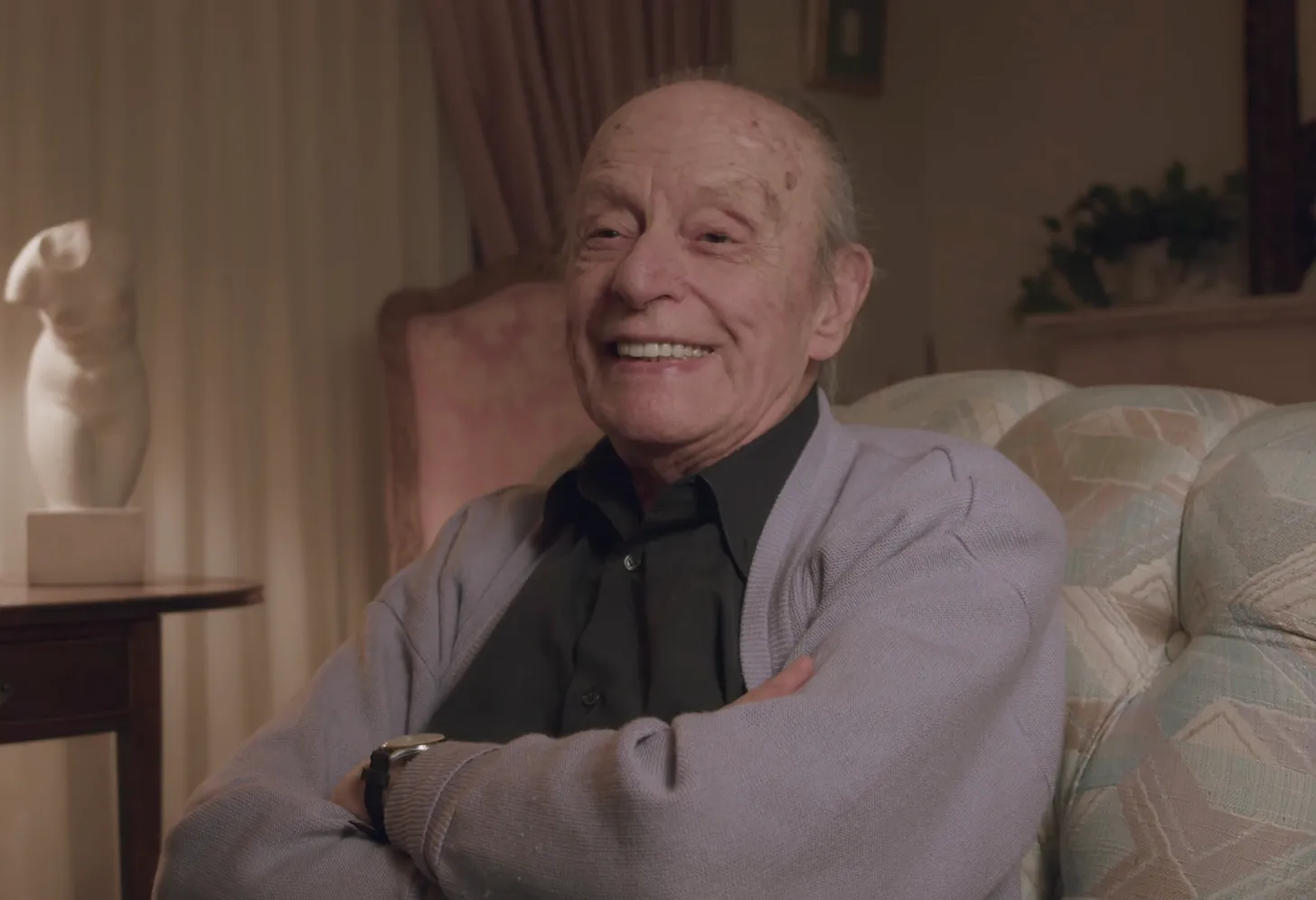
On September 5, 2025, Salt Lake City resident José María Oliveira passed away quietly at the age of 91. He left behind a list of impressive ecclesiastical accolades — one of the first converts to the Church of Jesus Christ of Latter-day Saints in his native Spain, he also served as the country’s first branch president, district president, stake president, and stake patriarch.
But he had a second legacy, nearly forgotten in the present day: Oliveira was the director of two Spanish cult classic horror films: Beware of Darkness and The Dead, the Devil, and the Flesh. The movies were sensual and macabre, but horror was never Oliveira’s explicit focus. The movies were overtly religious and foregrounded themes of death, the unknown, and the fate of man’s soul in the eternities. Forget Heretic; the first Mormon horror film came out in 1973, and it was made by a Latter-day Saint.1
“He was always trying to get at something true, and it elevated his work,” said indie director Barrett Burgin, who interviewed Oliveira in 2024. “It wasn’t Mormon horror just because it was spooky. He was able to create something that was winning critical awards in Spain while being unapologetically Latter-day Saint.”
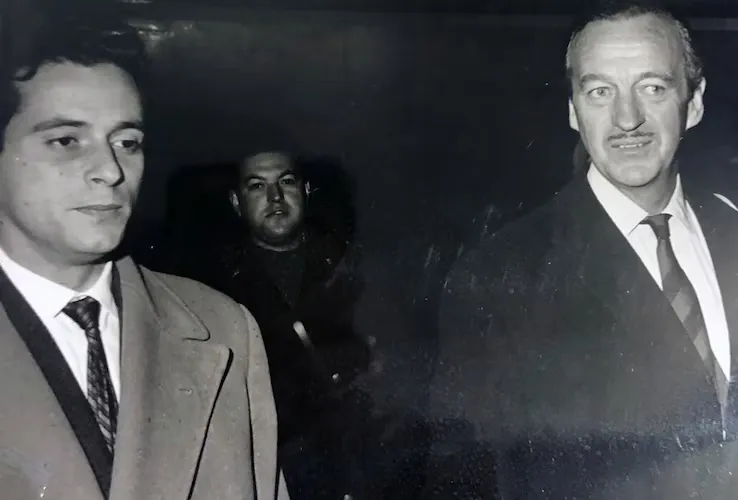
José María Oliveira came of age in a Spain controlled by Franco’s fascist government. He studied law in Madrid and later took a job as a casting director at the William Morris Agency, working on big-budget Hollywood productions filming in Spain.
“He was the go-between between the studio and the Spanish government at the time,” said Ben Harry, an archivist at BYU who helped restore Oliveira’s films. “So he would talk with all these big Hollywood producers, directors, and actors. He would find them local extras, craft services, lighting equipment, camera assistants.”
Oliveira helped cast films like Patton, Dr. Zhivago, and Lawrence of Arabia, and he would often talk about his friendships with David Nivens, Marlon Brando, and Sam Spiegel.
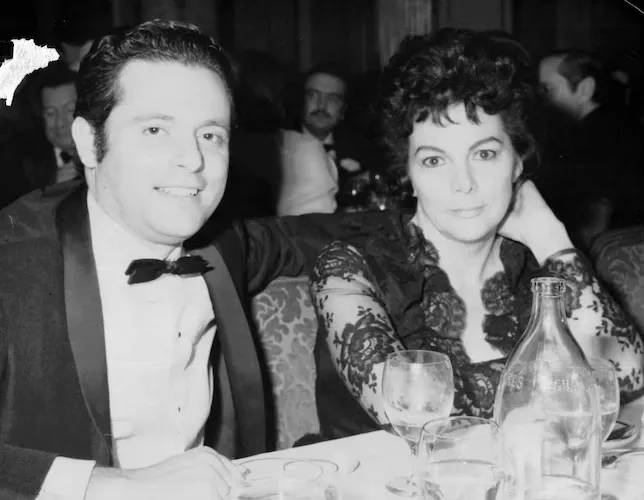
Oliveira’s interest in the Church of Jesus Christ of Latter-day Saints was sparked in 1959 by a chance encounter with Patricia Wright, a Utahn who was living in Madrid. Oliveira became fascinated by the doctrine of the preexistence. He was baptized in Bordeaux, France, in 1966, and three months later, he and Patricia were married. In 1967, legislation was passed in Spain that recognized non-Catholic churches. Soon afterward, Oliveira was appointed to be the first local president of the Madrid Branch.
But even as Oliveira became a pillar of leadership to the growing church, he found himself wanting to do more. His career in the film industry felt like a natural evolution of his desire to share the gospel. Casting his wife Patricia as his lead actress and muse, Oliveira wrote and directed Las Flores del Miedo (translated as The Flowers of Fear, but released in English under the title Beware of Darkness.) It was a shoestring budget arthouse film, but Oliveira’s knowledge of the industry allowed him to secure cultural grants to help finance production.
“He always laughed that he got Franco and his fascist government to pay to make his movies that are missionary tools,” said archivist Ben Harry.
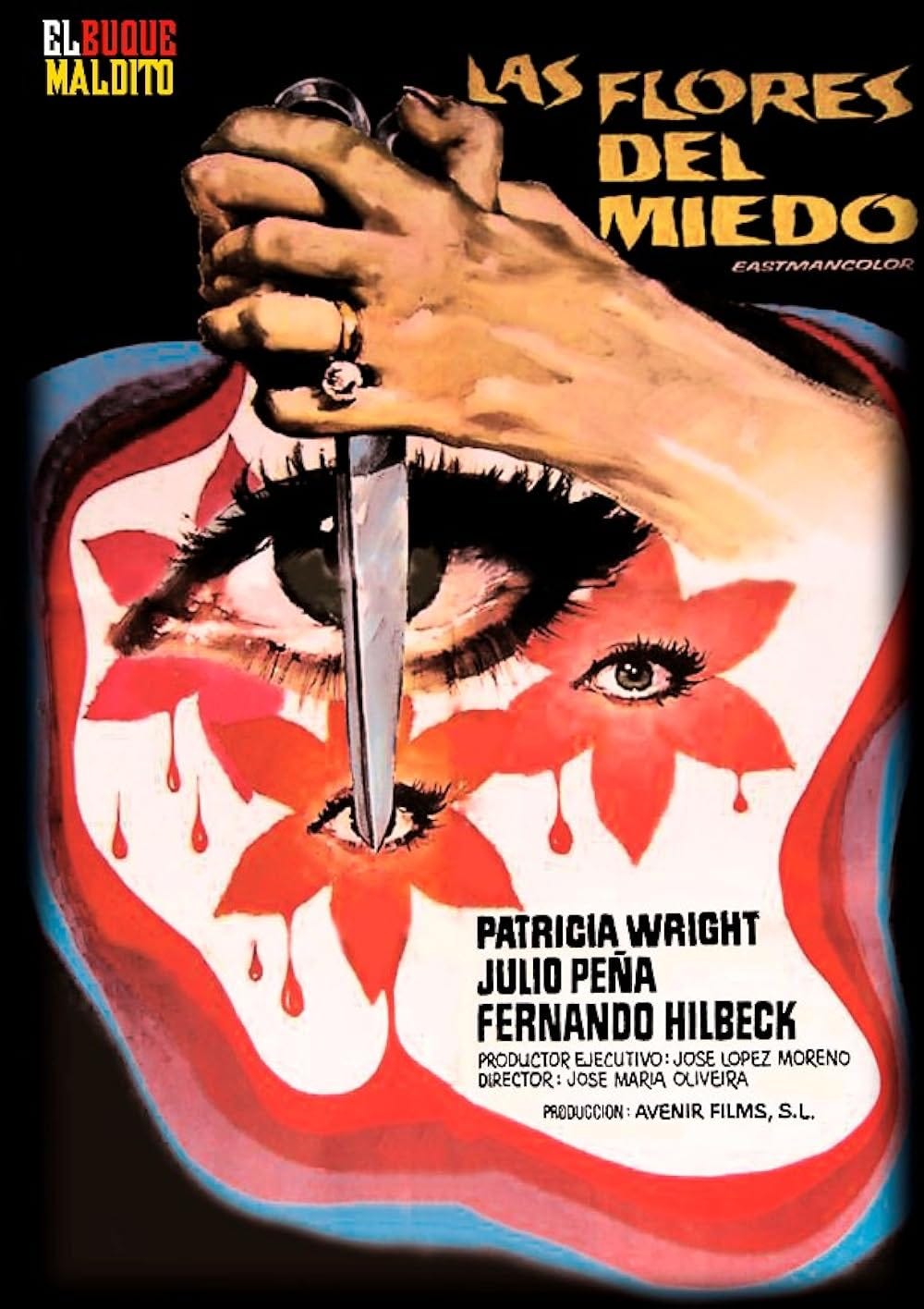
Inspired by the popularity of The Exorcist, Oliveira’s first film follows a medium named Lis who has stopped conducting seances after being attacked by a restless spirit. Holed up in her mansion with her husband, she’s approached by a shadowy psychologist who persuades her to continue her seances to better understand terror and the roots of human fear. But as their experiments begin, strange paranormal phenomena lead to spiraling paranoia. Eventually, the three of them realize that they are already dead; the medium’s attempts to contact the world of the spirits are actually her contacting the living. It’s smart, suspenseful, and intellectual filmmaking — horror in substance, if not in tone.
In 2020, the BYU Motion Picture Archive procured a 35mm composite color print of the film from Oliveira directly. Despite scratches at the beginning of each reel and the colors having faded to pink, archivist Ben Harry was able to restore the colors to a reality-approximate balance.
The second film directed by Oliveira was released a year later in 1974. Entitled The Dead, the Devil, and the Flesh (or Los Muertos, el Carne, y el Diablo), it represented his larger ambition and greater confidence as a filmmaker. It was also much more overt in its LDS themes. The plot follows a man named Juan whose adulterous wife has been murdered by one of her lovers. Juan hopes to rescue her from the spirit world, but is soon trapped there himself. A spirit guide named Alma attempts to guide the dead towards righteousness and peace, but a rival spirit known as Korijor (that’s Korihor with a “j”) tempts them to instead cling to the carnal pleasures of their past lives. The movie is rife with imagery and symbolism and even features an appearance by two missionaries (real elders, making a brief cameo on their day off.)
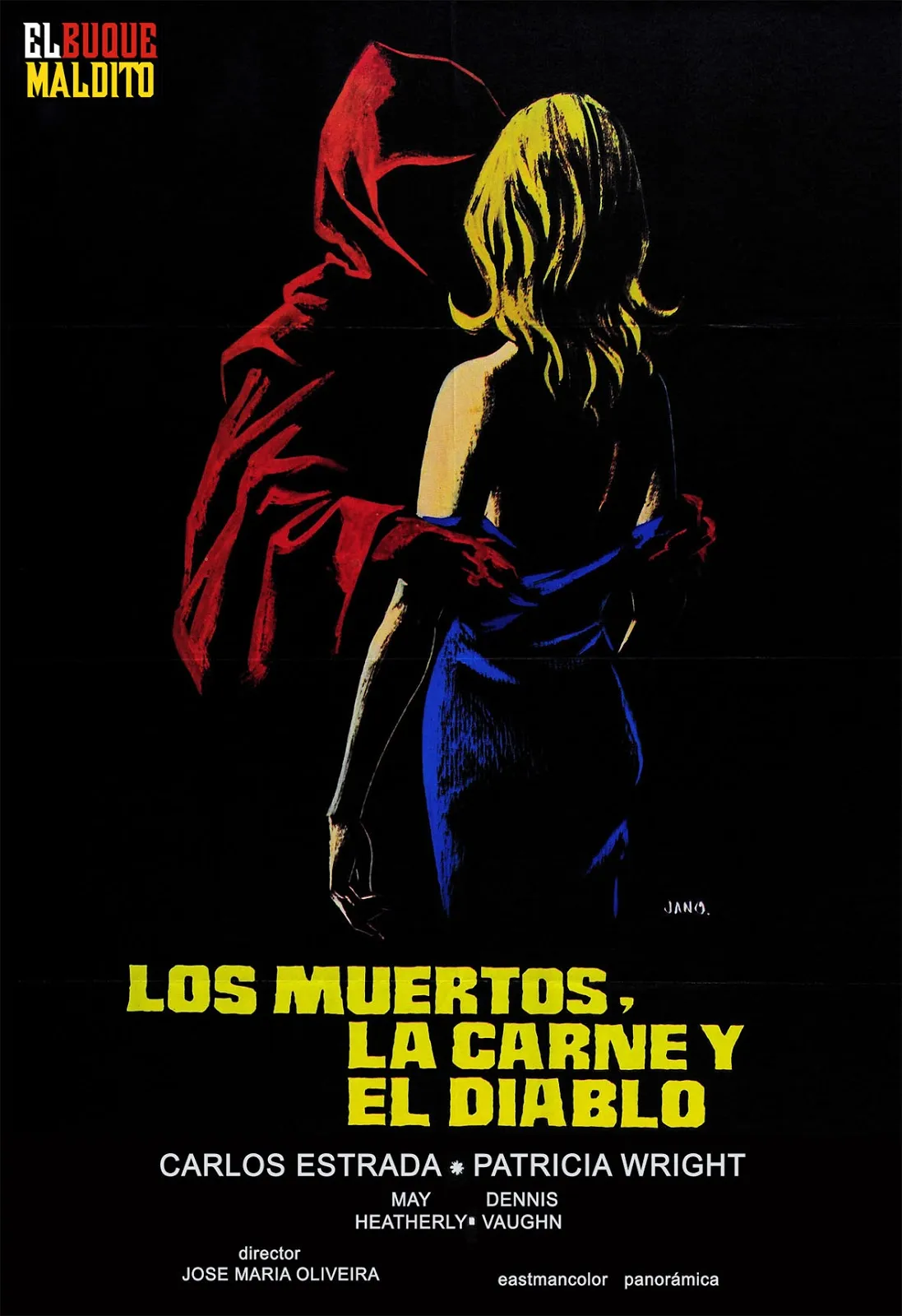
“In the Doctrine and Covenants, it says that the dead found the absence of their bodies to be like bondage. In other words, you miss your body when you are there,” explained Oliveira in a 2024 interview. “If you are addicted to sex here, you’ll continue being addicted to sex there.”
He was adamant that the films were not horror, notwithstanding their titles or subject matter. Rather, they were a means for him to share spiritual values and make people think about the afterlife. Despite their religious overtones, the films received wide distribution across the country and The Dead, the Devil, and the Flesh was named Spain’s top movie for spiritual and artistic values in 1974.
Despite primarily screening in Spain, the films were intended for an international audience. The Spanish actors delivered their lines in English, and English speakers later dubbed over the voices to sound correct.
Unfortunately, their popularity did not translate overseas. Oliveira moved with his family to Salt Lake City in 1990, taking his film reels with him. Intrigued by a filmmaker in their midst, members of his stake persuaded him to show his movies, so he rented a theater and advertised the screening in the paper.
“All these LDS members and their families come in, and they’re expecting a [Mormon-directed movie] like Where the Red Fern Grows,” said Harry, recalling Oliveira’s description of the experience. “And this is not Where the Red Fern Grows. All of his characters are trapped by these addictions. They smoke, they drink, they kill, they have sex, they do heroin.”
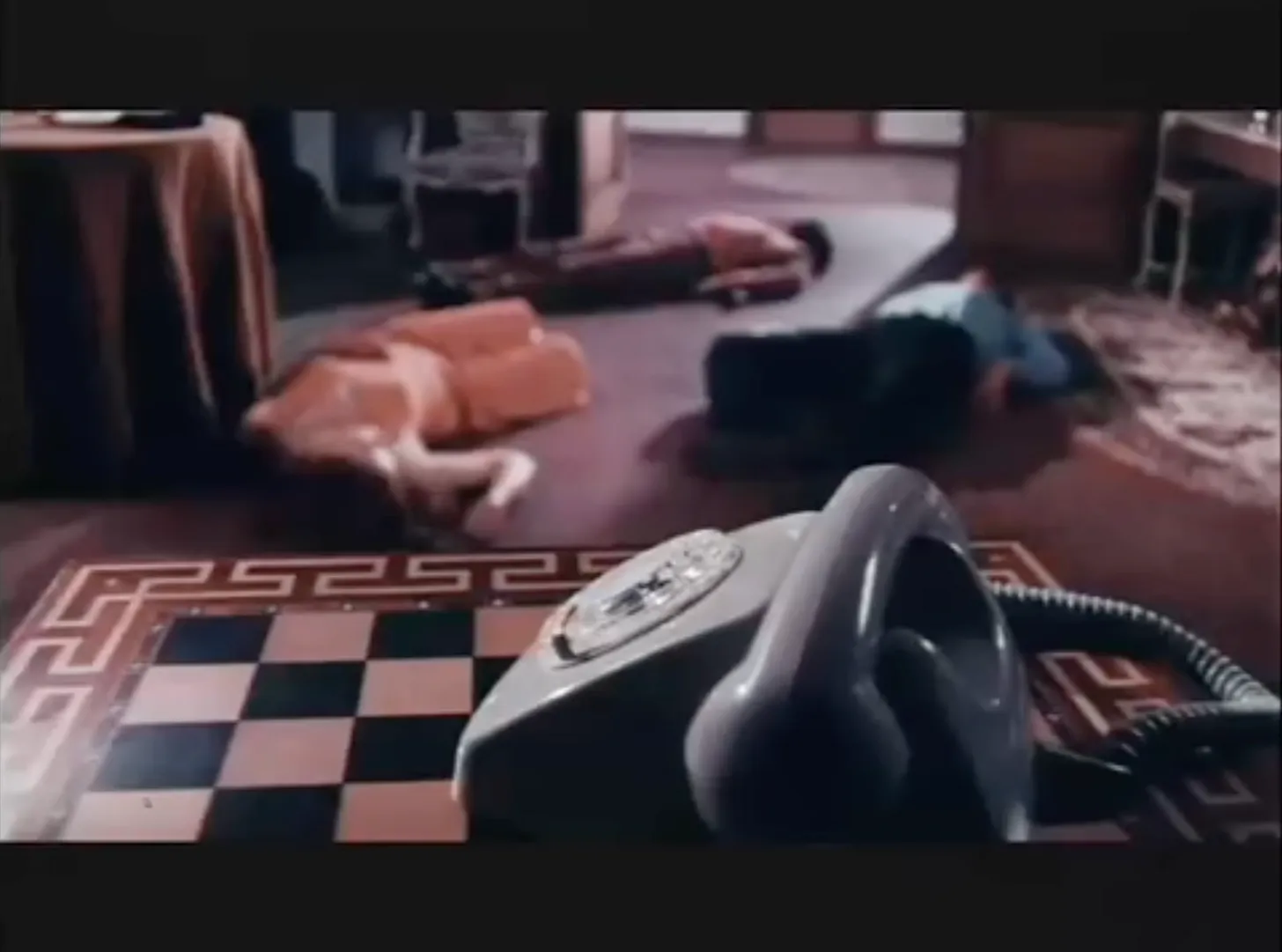
Offended church members quickly began leaving the theater. Foreign film fans, conversely, were turned off by the movie’s discussions of LDS doctrine. Within 20 minutes, Oliveira found himself sitting in an empty theater. It was the last time his films would be shown for over 30 years.
Perhaps the negative reception chilled his passion for filmmaking. “Do something else, because you may starve to death,” Oliveira quipped when asked about advice he’d give to potential Latter-day Saint filmmakers.
But in 2022, the BYU Motion Picture Library acquired the films and painstakingly restored them. They screened both Beware of Darkness and The Dead, the Devil, and the Flesh to an audience of eager cinephiles. After decades of languishing in obscurity, the films resonated with filmmakers and audiences who were hungry for a different sort of religious filmmaking. Many identified Oliveira’s inspirations from the Greek myth of Orpheus and Dante’s The Divine Comedy. The reception was, in many regards, a long-belated christening of an early pioneer of Mormon cinema.
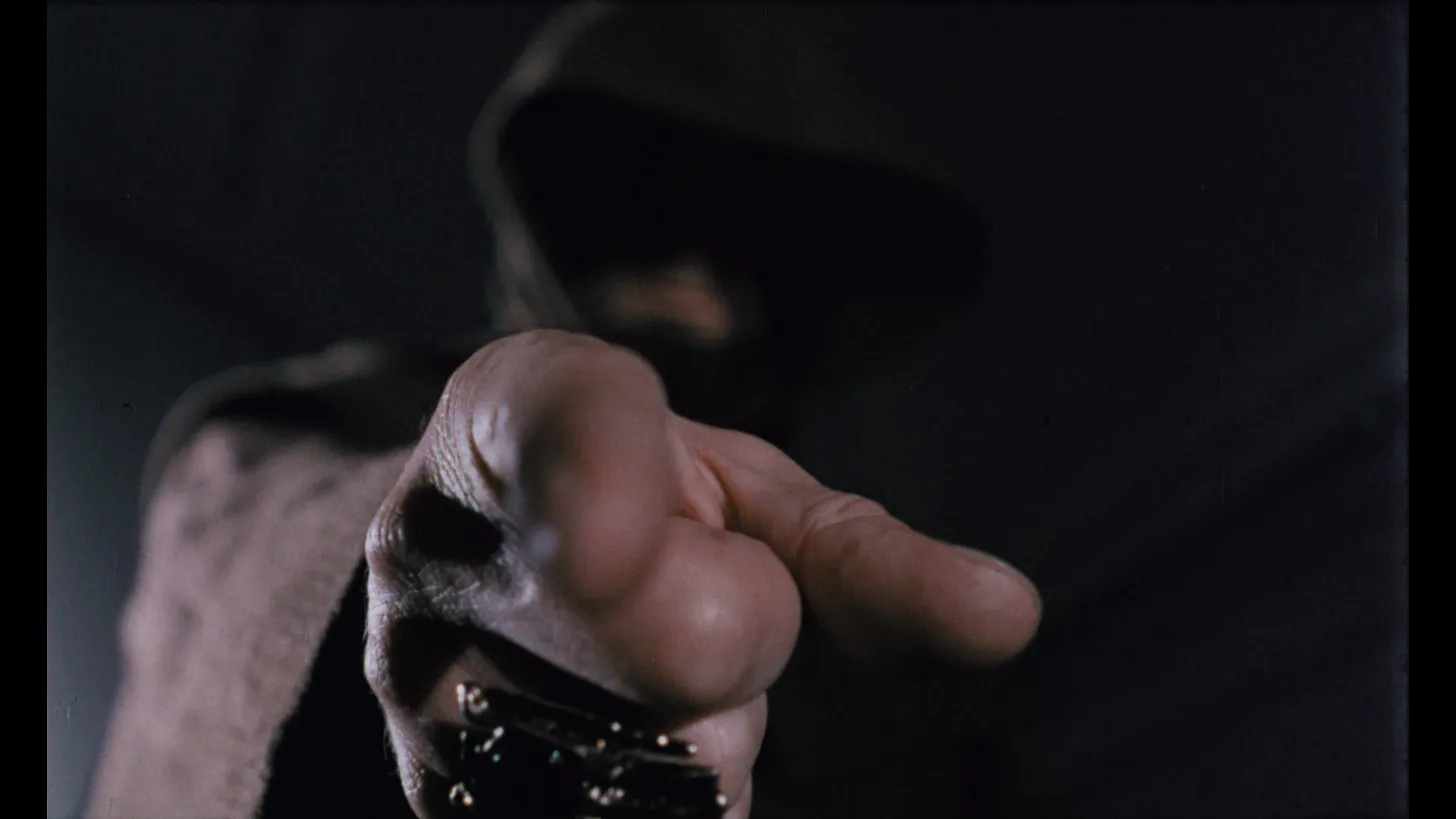
“It’s this synthesis of Catholic architecture and LDS ideas,” reflects director Barrett Burgin. “But I think he’s more interested in letting Latter-day Saint ideology influence his work. If [his films] weren’t about something substantive and ideological and spiritual in nature, we wouldn’t be talking about them now. But the fact that they are groundbreaking on the basis of his faith identity, and that they break ground against our conventional ideas and understanding of how to express that identity? That’s what makes it so interesting.”
Even until the end, Oliveira remained self-effacing about his body of work. “I am very grateful for what my life has been, despite my lack of economic success 2,” he said. “I never thought about having a legacy… I hope that [Mormon filmmakers] will remember that no matter what your talents are, you can always try to use them for the work of the Lord.”
Total Spanish box office gross for Oliveira’s films come to 10 million pesetas, or roughly $1.2 million in US dollars adjusted for inflation.
This is a fantastic article and tribute. Thanks for including so many details about his life besides his two features.