We are very sad to note the passing of the playwright, theater producer/director, and author Thom Duncan (full name: Charles Thomas Duncan) on December 19th, 2025, at the age of 77 in Logan, Utah. You can read his official family obituary here. Funeral services will be held at Allen-Hall Mortuary at 34 East Center Street in Logan, Utah, on Friday, January 2nd at 11:00 am. A viewing will also be held before the funeral at 9:30 am.
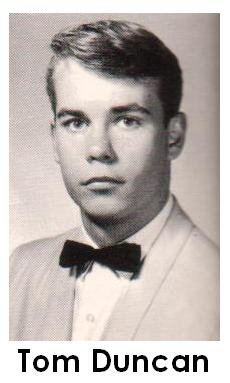 Thom (he went by “Tom” in real life and “Thom” in his theatrical and literary work) has been a significant force in LDS theatrical circles since his time as an undergraduate at BYU in the early 1970s. He wrote a series of notable plays based on LDS scripture, history, and contemporary issues, and tried for a time to break into screenwriting for Hollywood. He also wrote a number of speculative fiction short stories in the 1970s. Besides writing plays, he was behind two efforts to create forums where his and others’ plays could be performed. The first was his creation of the Thetere-in-the-Square at Provo Town Square, where he produced three seasons of plays in 1983-85, and some more in 1989. He took a job doing technical writing with Novell in 1988, ending his production of plays for a time, but moving him towards writing a young adult adventure novel, Moroni Smith: In the Land of Zarahemla (Horizon, 1990). In 2002, Thom, together with Scott Bronson and Paul Duerden, created the Nauvoo Theatrical Society, which put on a season of plays by Mormon authors with Mormon themes. As part of the effort, they constructed the Center Street Theatre, a 130-seat black box theater in Orem, Utah. In 2004 they had to suspend operations at the theater because of financial restraints. Besides those two efforts, Duncan often acted, directed, or produced a variety of plays in the Utah Valley area, usually on a shoestring budget, and often in cooperation with Scott Bronson. Many of his scripts were published by Encore, and then by C. Michael Perry’s Leicester Bay Theatricals.
1970s plays and stories
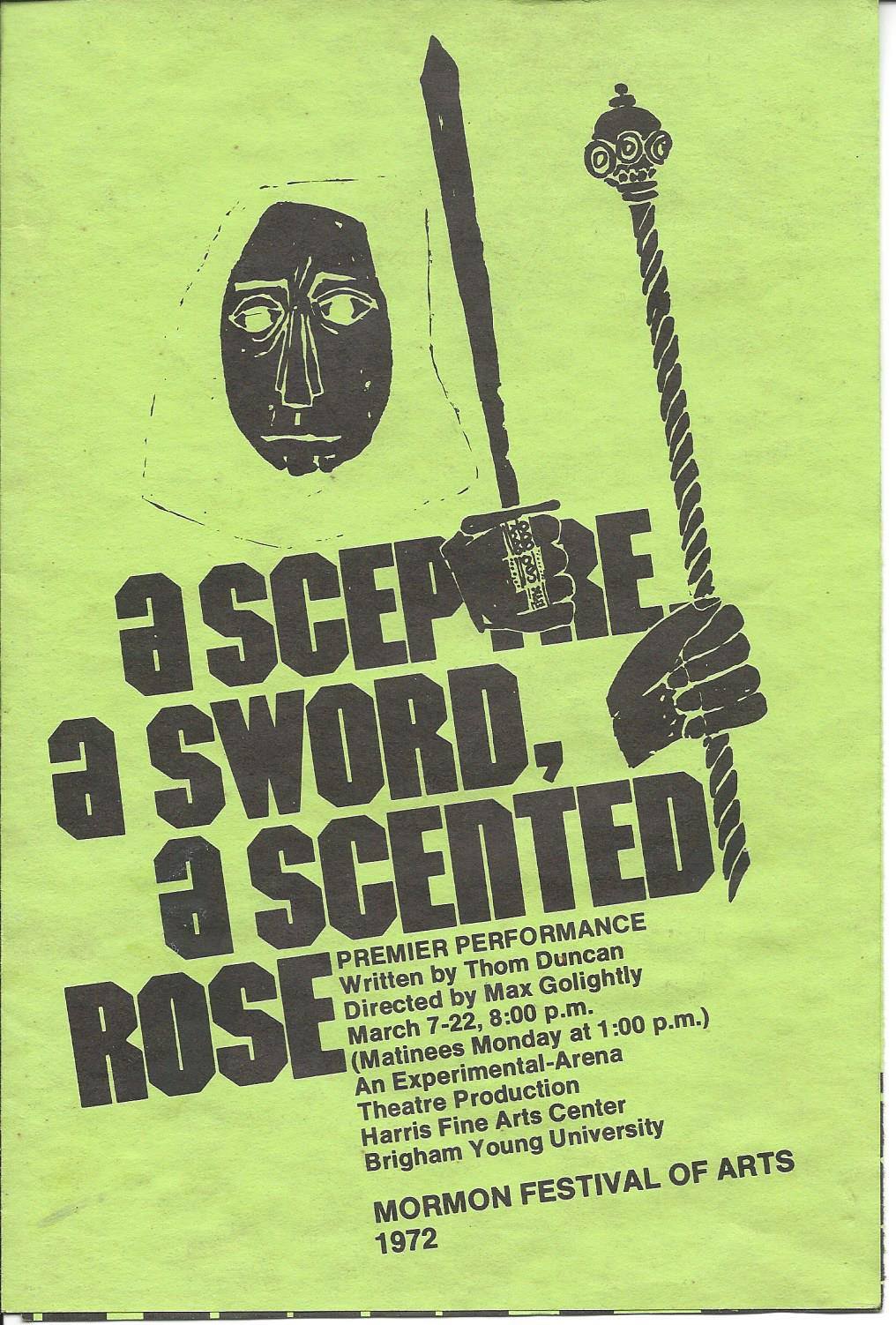 A Scepter, A Sword, A Scented Rose. Produced at BYU in 1972 and at the Mormon Festival of the Arts at BYU in 1973. Based on the Book of Mormon story of Ammon and Lamoni.
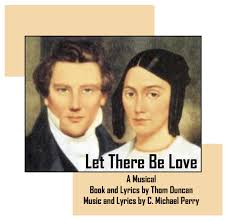 Prophet (AKA Let There Be Love). A rock musical about Joseph Smith, first produced at BYU in 1973. The original version’s music was by Jerry Jackman. It used Simonds Ryder as the chief antagonist behind the martyrdom. There was also a production in California at some point. A revised version was produced at the SCERA in Orem in 1999, with music by Mark Steven Gelter, with a greater focus on the love story of Joseph and Emma. That production was reviewed by Eric D. Snider in the Daily Herald. A new version, under the title Let There Be Love, with music and additional lyrics by C. Michael Perry, was created and licensed for production from 2017, but I am not aware of any productions.
Voice of the Lion. A one-man show about Brigham Young, produced in Utah at some point in the 1970s or 1980s.
Reflecting on his career on AML-list in 1996, Thom wrote, “[I] went to Hollywood in the early 70’s to try to break into scriptwriting, managed to write some industrial films, and even sold the script for a major motion picture (though it was never produced). I started writing science-fiction (which is my real first love) and managed to get to the level where the editor writes personal rejection letters instead of sending the printed kind. A move to Utah in 1981 broke that chain of creativity (I had managed to write one story every two weeks for a period of two years.) I have the distinction of selling the first story every bought for the infamous LDSF anthology of science fiction by and for Mormons, a time travel piece called ‘The Glowing.’ I also wrote another story in that LDSF collection called ‘Heritage’ under the pseudonym Halig Scippend, which means ‘Divine Creator’.”
“The Glowing”. LDSF: Science Fiction by and for Mormons [AKA LDSF #1],, ed. Scott Smith and Vickie Smith. Millennial Productions, 1982. Republished in Irreantum, Winter 2000-01. A time-travel story based on Joseph Smith’s first vision.
Provo Theatre-in-the-Square and 1980s plays
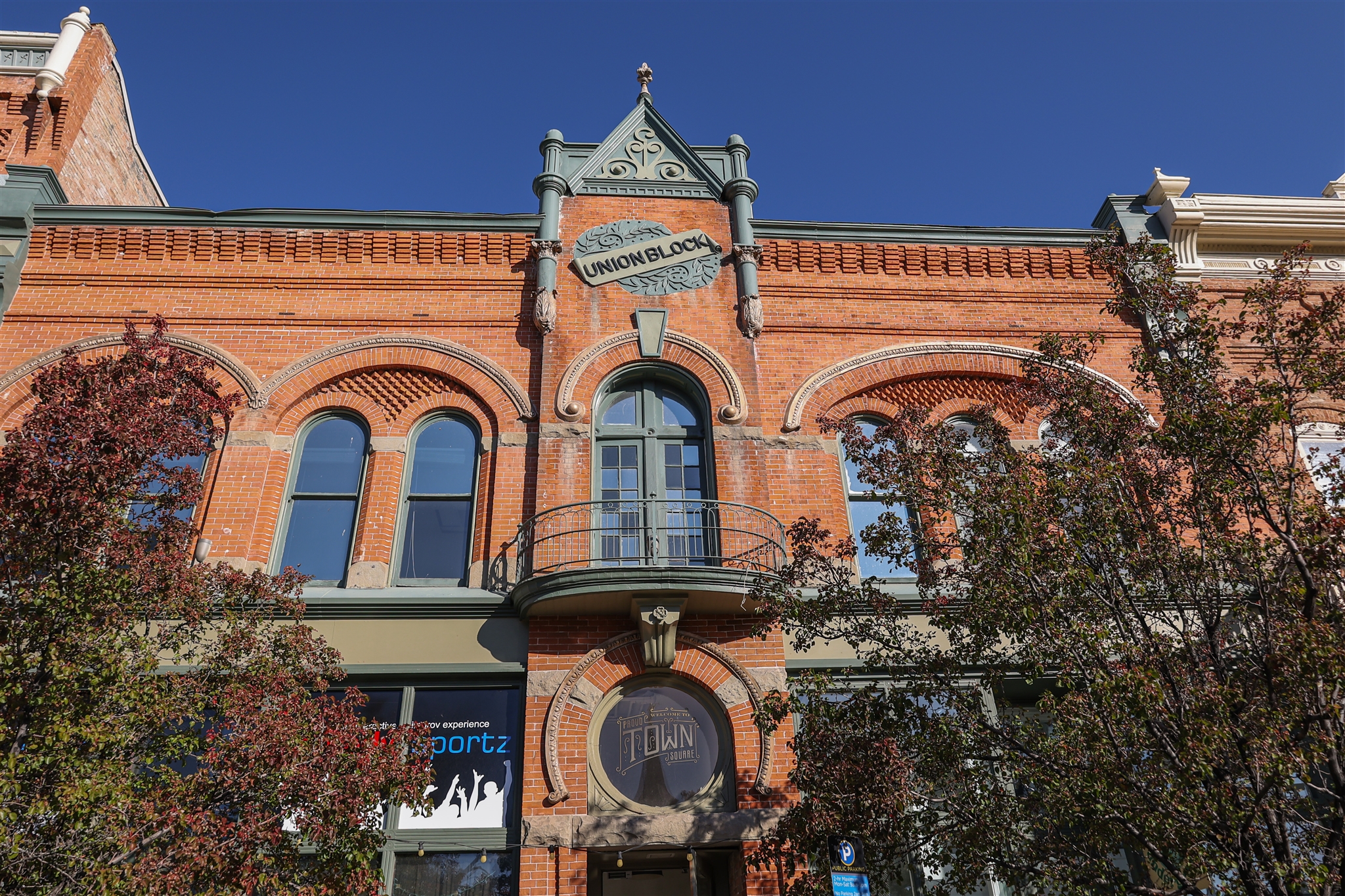 Writing about his 1983-85 experiences, Duncan wrote, “I owned and operated a strictly LDS original theatre company called Theatre-in-the-Square in the basement and (second and third seasons) the top floor of the Provo Town Square. I produced five of my plays in this venue, and several plays by other writers/performers: Tim Slover’s Fishers of Men (a one-man show about Wilford Woodruff), Jim Robinson’s one-man show on Orrin Porter Rockwell, and a play by Harold Pinter, produced by Tim Slover. In association with Doug Stewart, I also staged Saturday’s Warrior and Star Child in the upstairs theatre. It was an interesting couple of years. We didn’t officially pay actors, but we shared the profits with all involved. I personally funded the three seasons (a generous investor helped the second year), didn’t make a lot of money but, encouragingly, I didn’t lose any. I managed to pay the rent for three years without once having to borrow money, so I consider the experience a commercial success. When I started my job here at Novell in 1988, I stopped doing theatre, but our recent (AML-List) discussions (1996) has made me think, ‘Maybe it’s time to start it up again.’”
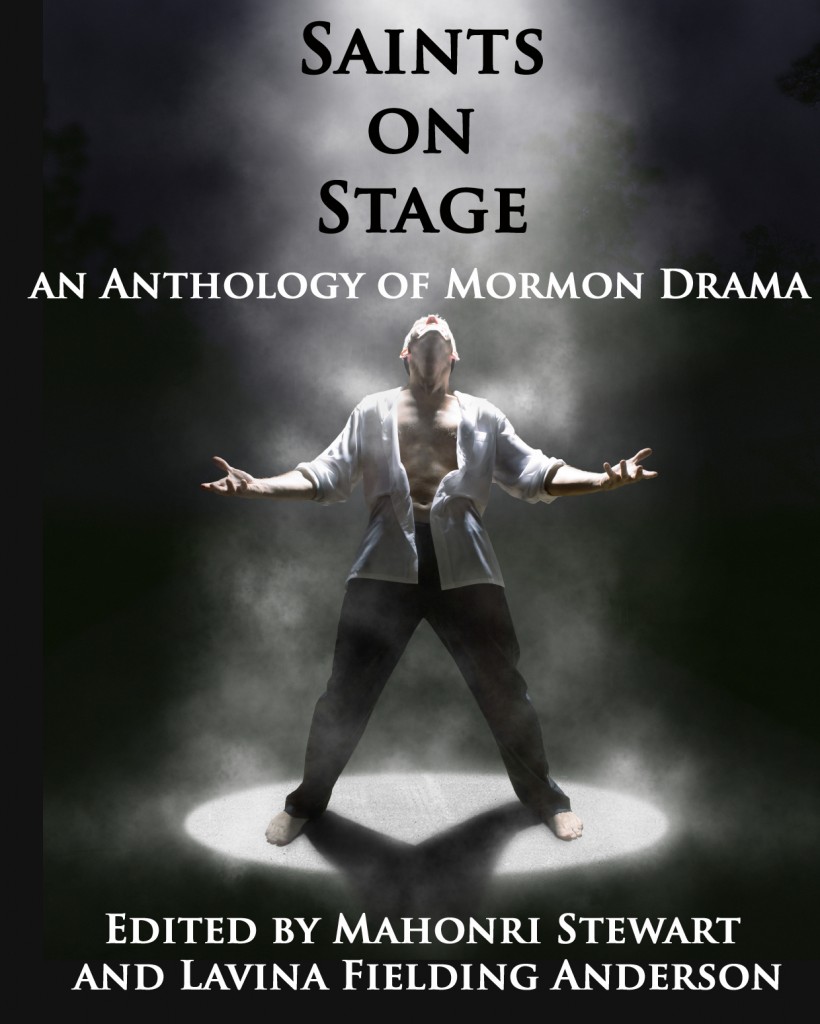
Matters of the Heart. First directed by Tom Rogers at Provo Theatre-in-the-Square, 1985, with several other productions done in the years since. It won an award for Best New Play of the Year in 1985 from the Utah Valley Theatre Guild and is included in Mahonri Stewert’s 2013 anthology of Mormon drama Saints on Stage. The blurb reads, “A heart-wrenching and inspired look at a Stake President’s family whose youngest son returns early from a Full-time LDS Mission to France. We come to know and love and empathize with each of the characters in the play because each of them could be someone we have known.” Duncan has said that he developed the concepts put forth in Richard D. Poll’s essay “What the Church Means to People Like Me” (Dialogue, Winter 1967), which introduced his Liahona/Iron Rod dichotomy of approaches to the gospel. A 2006 production was reviewed by Nan McCulloch in an article in Dialogue, “Heartfelt Theater”. Duncan also wrote about the inspiration for the play and thoughts bout the phenomenon of early returns and suggestions for how to respond to it in a May 2003 essay in Sunstone, “Matters Of The Heart: Reaching Out To One Of The Few Remaining Mormon Minorities.”
And Some Cried Fraud. A Book of Mormon courtroom drama, produced at the Santa Clara Arena Theatre in California, September—October, 1977, and also at the Provo Theatre-in-the-Square in the mid-1980s. “We enter a courtroom to determine if the Book of Mormon is true. David Whitmer, Martin Harris, Oliver Cowdery and Charles Anthon are cross-examined and the Book is upheld as truth.” Duncan based the story on “The Trial of the Stick of Joseph”, a lecture series by Jack H. West that was presented at Brigham Young University Leadership Week in 1954. He has said he based the format on Ayn Rand’s play The Night of January 31.
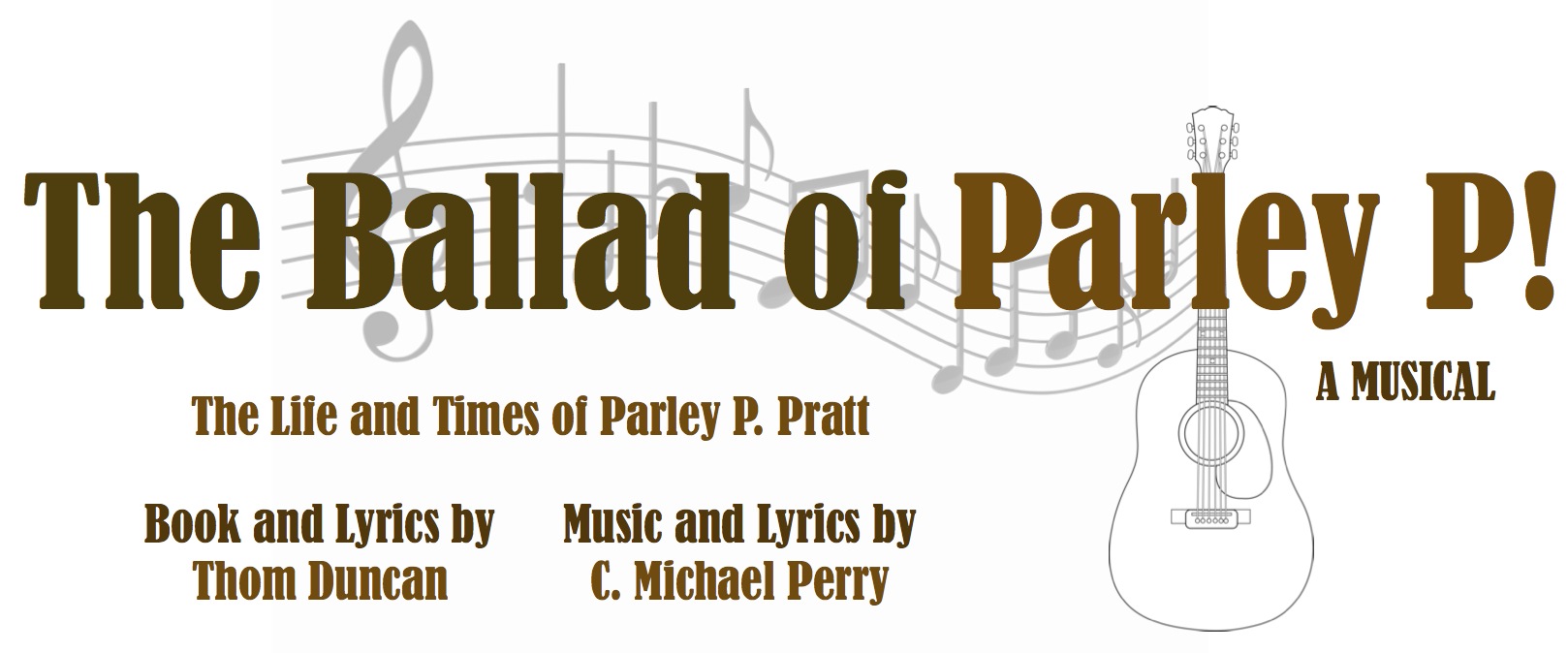 Preposterous Parley P! One-man play about Parley P. Pratt, first produced at the Provo Theatre-in-the-Square in the mid-1980s. It included Pratt performing a comic version of his short story, “Dialogue Between Joseph Smith and the Devil”. Duncan performed the play in various readings over the years, and a full production at Provo’s Covey Center for the Arts in 2010. In recent years, Duncan and C. Michael Perry have created a multi-actor musical version of the play, called The Ballad of Parley P, with lyrics and music by C. Michael Perry.
Millennium and Thump! are also plays by Duncan that were performed at the Provo Theater-in-the-Square in the mid-1980s.
Plays and stories, 1990-2001
Moroni Smith: In the Land of Zarahemla. Horizon, 1990.
Moroni Smith In Search of the Gold Plates. Zion BookWorks/Leicester. 2013.
Moroni Smith and the Sword of Laban. Zion BookWorks/Leicester. 2014.
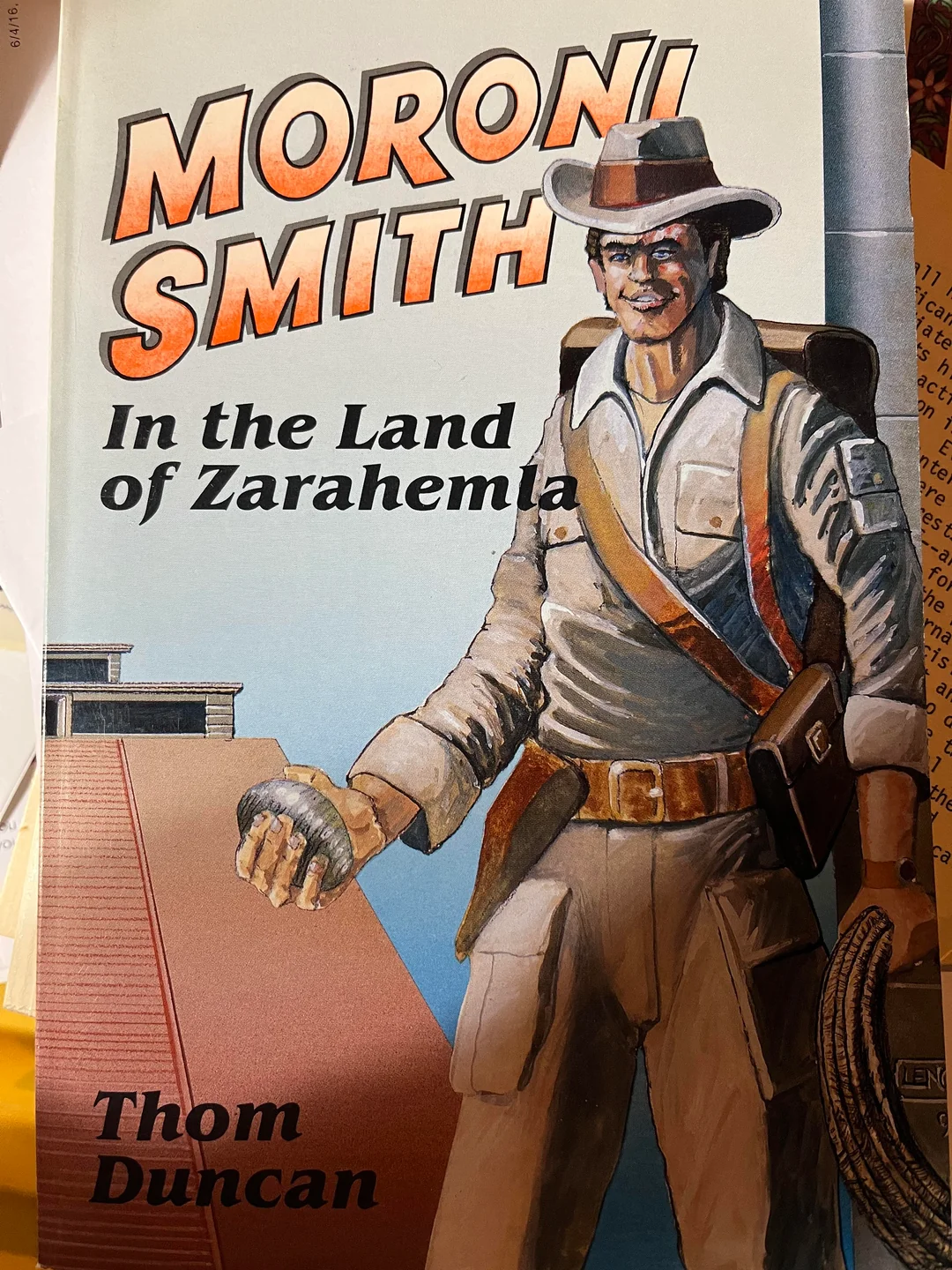 The Moroni Smith YA novel series focused on the Indiana Jones-esque adventures of Moroni Smith who, with his pals Orrin Porter Rockwell VII and Gadget Gunderson, worked for the Church Special Projects division, scouring the globe searching for, extricating, recovering and/or finding artifacts and information that has been lost or stolen. Duncan wrote that he was able to convince Horizon to publish his first novel
 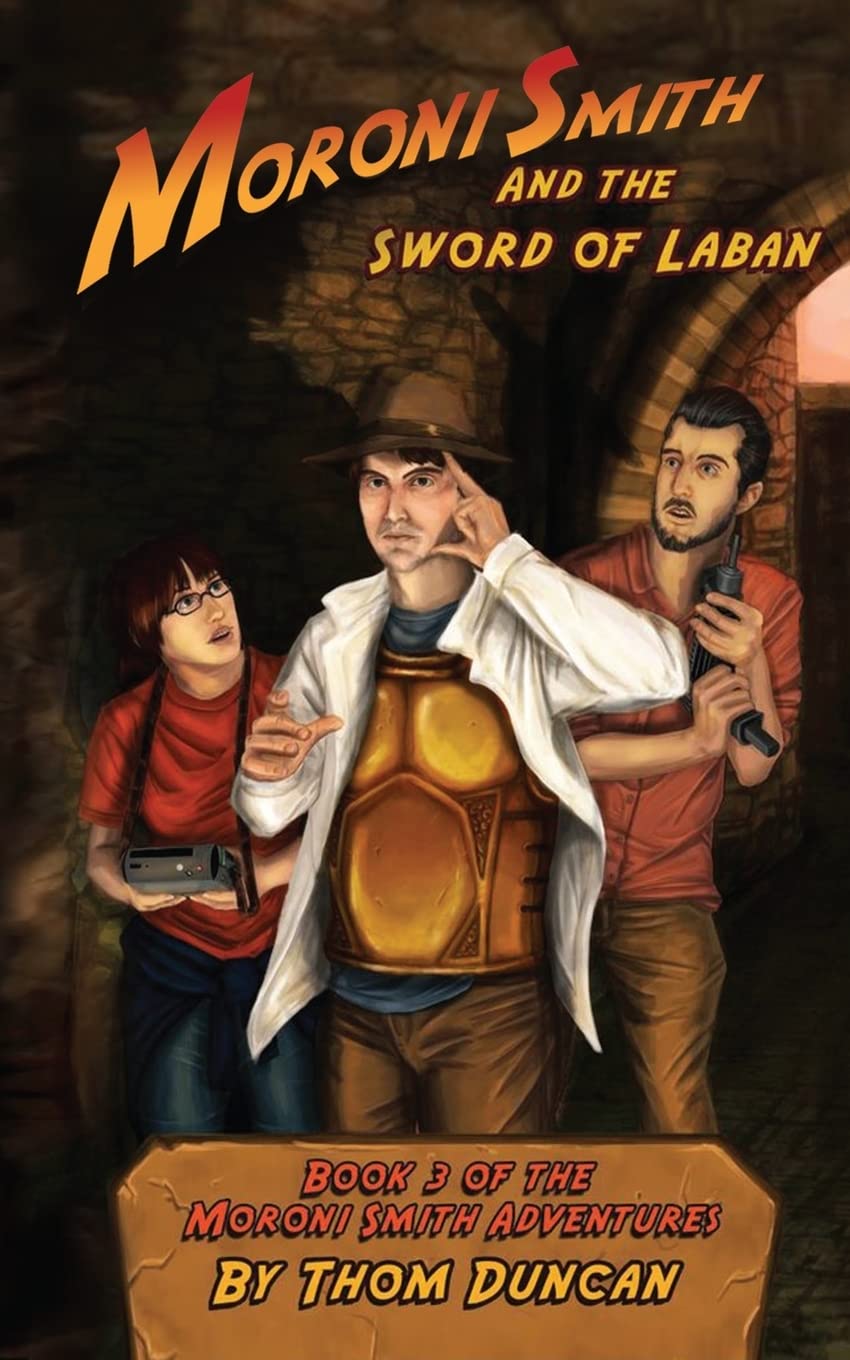 in the wake of the success of a similar-themed novel, Tennis Shoes Among the Nephites, by Chris Heimerdinger. He hoped to write more LDS fantasy and science fiction, and wrote, “I want to encourage the expression of LDS concepts and philosophy within a fantasy environment.”
In the 1990s, Duncan participated with Bronson, Eric Samuelsen, James Arrington, Tim Slover, Elizabeth Hansen, and Marvin Payne in a group called Playwrights Circle, where they read and commented on drafts each other’s scripts. This encouraged him to revise his musical Prophet for a new production in 1999, as well as to start writing new plays.
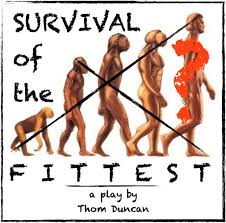 Survival of the Fittest. Performed in readings at the Sunstone Symposium and the Mormon Arts Festival, 1998. About the 1911 BYU evolution controversy, when after complaints by some students led to the firing of three science teachers, and features BYU president George H. Brimhall, LDS apostle Orson F. Whitney, and the prophet Joseph F. Smith. A description and a portion of the script can be read here.
Let the Memories Die. Playwrights’ Circle Summer Theatre Festival at Utah Valley State College, 2001. Part of a program of five one-act science fiction plays by Utah Valley playwrights.
Besides his literary accomplishments, Thom was an active in the AML community from the founding of the AML-List listserve in 1995, where he frequently sparked conversations about literary works, and networked with others on organizing and promoting theatrical works.
Nauvoo Theatrical Society
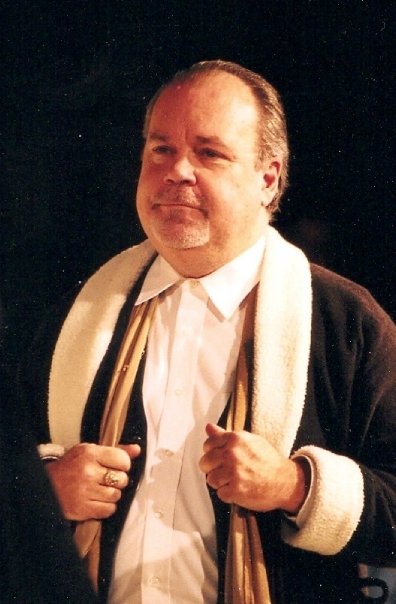 Duncan, Scott Bronson, and Paul Duerden created the Nauvoo Theatrical Society in 2002. They also constructed the Center Street Theatre as part of the effort, a small 130-seat black box theater in Orem. The company and theater were created with the express purpose of producing plays by Mormon authors or with Mormon themes. Over the previous three decades Brigham Young University had provided a training ground and performance space for young Mormon playwrights and directors, which has resulted in the production of a significant body of plays about Mormons. Those who did not return to BYU to teach, however, struggled to find performance space for Mormon-themed plays. The trio aim to fill this niche. In its first and only season, the company is produced two revivals of 20th century plays in 2002, Carol Lynn Pearson and Lex de Azavedo’s 1977 musical My Turn On Earth and Tim Slover’s 1996 play Joyful Noise, and two original plays in 2003, Eric Samuelson’s comedy The Way We’re Wired and Scott Bronson’s Biblical-themed drama Stones. Suffering financial troubles, the company folded in 2004. Duncan and Bronson continued to produce plays in a variety of Utah Valley forums in the following years.
Works published from 2010
“When We Remembered Zion” Irreantum 12:1, 2010. A post-apocalyptic short story about Mormons with visions.
Post-2010, Duncan worked on two musicals with C. Michael Perry that have yet to be produced, Apocalypso!, based on the Book of Revelations and The Tymes of All Eternity, a comedy about an unhappily sealed couple who try to work out their relationship in the eternities, with the possibility of the sealing being cancelled if they cannot reconcile.
Tributes
Here are three tributes to Duncan written by his friends on Facebook:
Scott Bronson
Just above thirty-nine years ago I got hired on to a team of writers working at the LDS Missionary Training Center working with the development department on a training manual for the missionaries in the field. Each lesson needed an hour’s worth of radio drama vignettes modeling different aspects of the lesson topics. The team was headed by Jak Lundquist and included Thom Duncan, Reed McColm, me and Ronn Blankenship.
That’s when I met Thom.
Like me, Thom wrote plays, screenplays and fiction. All of it LDS oriented. My favorite works of his are his plays, Matters of the Heart; Preposterous Parley P; Survival of the Fittest, a screenplay he wrote about the Lafferty Brothers and another one he started based on The Book of Mormon. I only got to read the opening scene of that one, but I loved it. It took place at a big party in Laban’s house at which Nephi is finally talked in to demonstrating his talent for mimicking voices — most notably, Laban’s. It was a brilliant scene . . . I have [also] read the first book [in his YA adventure series] Moroni Smith in the Land of Zarahemla. Lotsa fun.
Thom and I started The Nauvoo Theatrical Society together. It was Thom’s idea to create a company that produced only LDS theatre which we defined as any play written by a Mormon no matter the subject, or any play about Mormonism to some extent no matter who wrote it. We lasted only one season for various reasons, but it was a successful season. Recently we were looking at reviving it.
My favorite memory of Thom is of one evening he came to the house so we could go somewhere together . . . But I wasn’t quite ready yet so I left him in the living room to listen to a goofy Christmas song I’d come upon recently. I thought he’d get a laugh out of it like I did. It’s a romping tale of a dysfunctional family trying to have a normal holiday feast in the midst of crazies, loons, and criminals making repeated trips to the store for cigarettes and tampons. As the song was coming to a close and I returned to the living room, I found Thom with tears streaming down his face. “Dude. What’s wrong?”
“These are my people,” he said. “This song is about my family.” You never know how something’s gonna hit. Which sums up Thom’s life rather succinctly.
Rest in peace my dear friend…
Michael Flynn
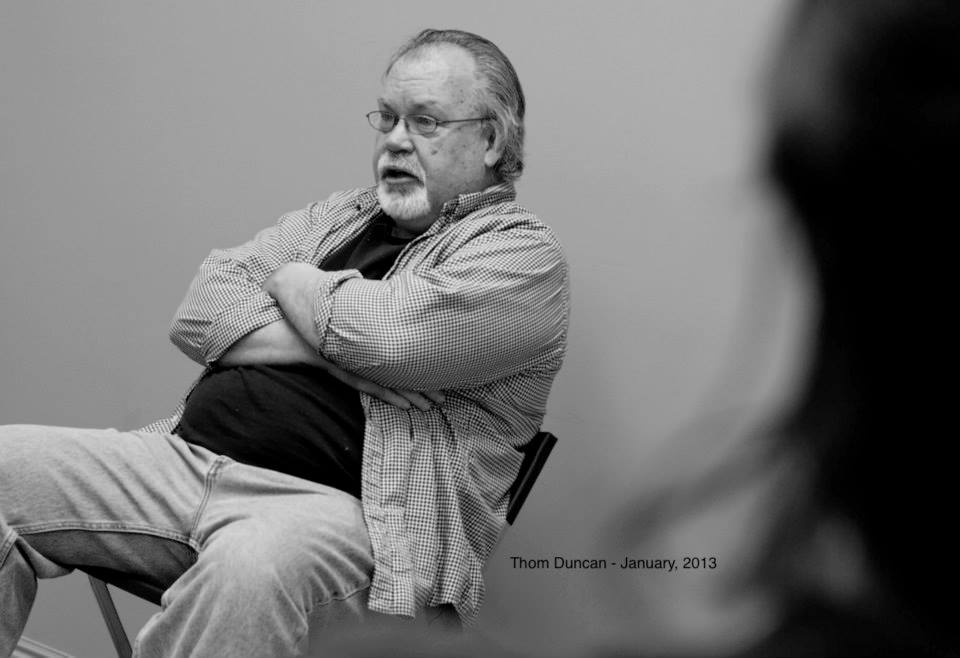 I am in shock. Thom and I were missionaries together in France. Late 60’s. Then great friends at BYU in the theater department. I played Lamoni in his drama A Sword A Sceptre A Scented Rose. We starred together in Neil Simon’s The Star Spangled Girl on the Pardoe stage. Through the decades we continued our friendship and working relationship. I played Brigham Young in his one-man show Voice of the Lion. He invested in my last film . . . Reached out to him just last week. He was looking forward to meeting with Robert Starling at the Zion Film Festival. Robert had an interest in one of his screenplays regarding a trial in which Joseph Smith was involved and wanted me to be there. He is one of my dearest friends. No words. Love you, Thom. Heaven is happy to have you Home. We are sad to see you leave. But… I’ll see you soon, my friend. Keep the light on.
Mahonri Stewart
 Thom Duncan was a part of a generation of LDS writers and theatre folk that really impacted me when I was in high school and college. At the time, I not only wanted to be a playwright, but a Mormon playwright. Seeing and reading the plays of Eric Samuelsen, James Arrington, Elizabeth Hansen, Scott Bronson, Thom Duncan, Tim Slover, Margaret Blair Young, Thomas Rogers, Marvin Payne, Steven Kapp Perry, Robert Allen Elliott, Carol Lynn Pearson, Doug Stewart, and others stirred my spirit and inspired me to follow in their footsteps for decades . . . They were spiritual, but not saccharine. Culturally challenging, but not cynical. They could explore the intellectual, societal, tragic, comic, inspirational, and spiritual tensions within Mormonism without discounting people of faith. They were a rare group.
I’m still a playwright and still technically LDS, too, though these days I’m a very different kind of Mormon than I used to be. Things didn’t turn out the way I had imagined or hoped with either my playwriting or my spiritual journey. I think Thom may have been able to relate with me on some of that kind of acute disappointment. Yet, he still kept plugging away with the kind of hope that I found touching.
Thom was always very kind to me in our interactions. More than that, though, he was deeply encouraging about my work. Encouragement is an under-appreciated virtue, I think. As the construction of the word suggests, it gives us courage, it gives us hope, it helps us not throw up our arms and walk away in despair. Thom was one of those encouraging figures for me, much like James Arrington was.
Services
Funeral services will be held at Allen-Hall Mortuary at 34 East Center Street in Logan, Utah, on Friday, January 2nd at 11:00 am. A viewing will also be held before the funeral at 9:30 am. For those unable to attend, the funeral will be recorded and uploaded to the funeral home’s website. Thom will be buried at the Logan City Cemetery immediately following the funeral services. In Lieu of flowers, the family has asked for monetary donations to help pay for funeral costs. For Venmo information, please email Jenni Moulton at jamoul40@gmail.com.
Slight correction re: “And Some Cried Fraud!”—”first produced at the Provo Theatre-in-the-Square in the mid-1980s.” Not so. I played Oliver Cowdery in the play as produced by Thom at the Santa Clara Arena Theatre September 27—October 20, 1977.
Thanks Michael, I’ll fix that. He talked about going to Hollywood after BYU in the 70s, so he was in California also doing plays? I saw a couple of references to people being in California doing plays with him, but I was not sure when it was.
I considered Thom as an extremely bright young man as evidenced by his learning French but more by his writing the many plays and his being able to produce them as well. I admired his ability to maintain his many friendships while focusing on his work.
My husband and I had the opportunity to dine with him once and I only wish I could recall our conversation at the meal. I also was delighted to know his parents. His mother helped direct the roadshows that were popular back in the day. I’m grateful that they are now reunited in the heavenly sphere together.