Review
————
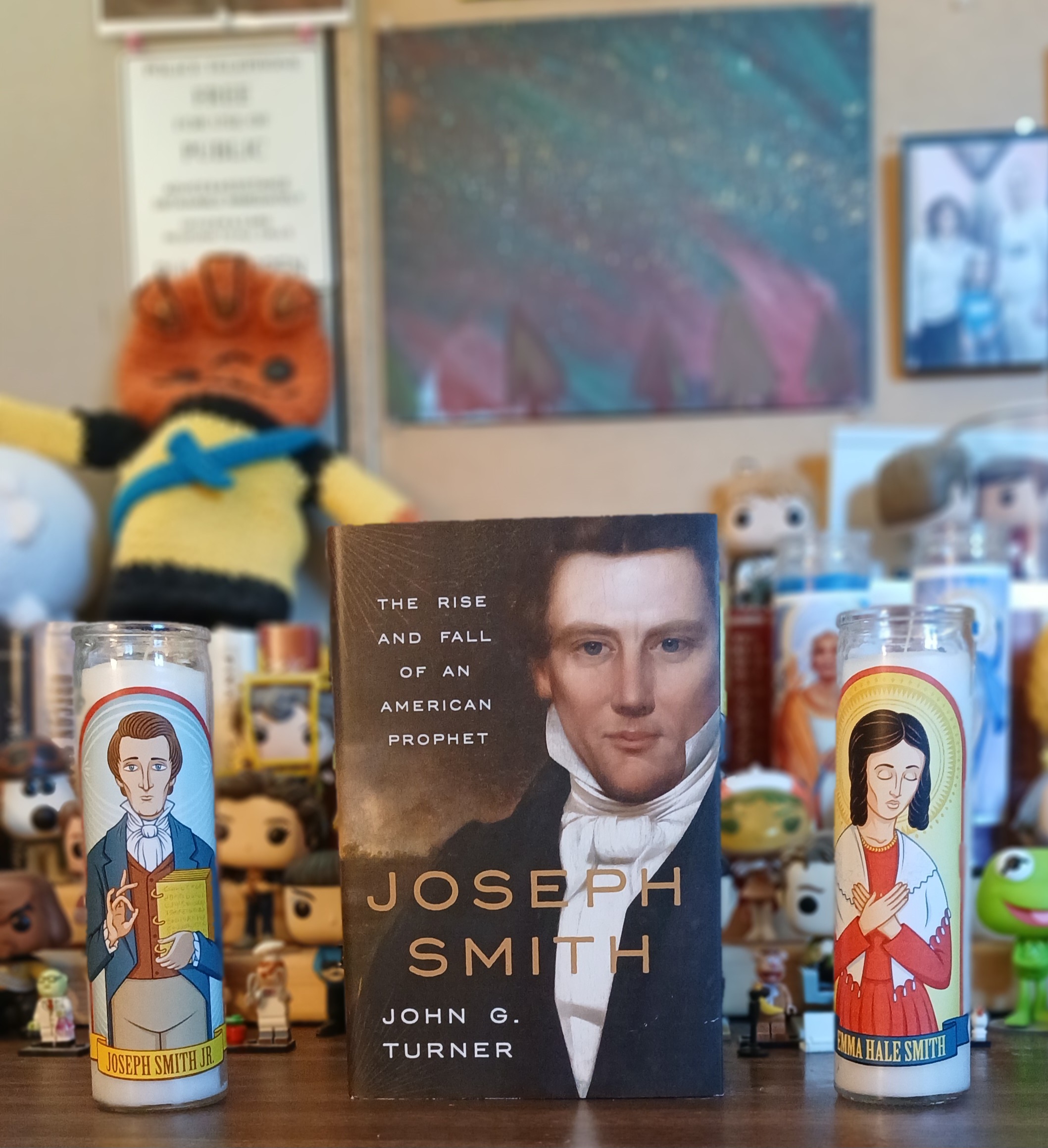
Title: Joseph Smith: The Rise and Fall of an American Prophet
Author: John Turner
Publisher: Yale University Press
Genre: Biography
Year Published: 2025
Number of Pages: 464
Format: Hardcover
ISBN: 978-0300255164
Price: $35
Reviewed by Conor Hilton for the Association of Mormon Letters
John Turner’s Joseph Smith: The Rise and Fall of an American Prophet is a page-turner (not something many biographies from a university press can claim!). The prose is clear, engaging, and incredibly readable, moving you quickly through the narrative of Smith’s life.
Turner’s biography is the first full biography of Joseph Smith to take advantage of the documents and other historical evidence from the Joseph Smith Papers Project. While Turner’s work is deeply researched, the book reads like it was designed for a more general audience, not a purely academic one. This prose style complements Turner’s ideological positioning, as a religious person outside the Mormon faith tradition, and thus not believing in all of the particular truth claims of Mormonism.
Throughout the book, Turner’s handling of events is fairly even-handed, describing visions and encounters with the divine matter-of-factly, rooted in the words of those present, as much as possible. Periodically, Turner is fairly explicit about his own biases and opinions, including notably the reality, or lack thereof, of the golden plates. Turner notes that “readers deserve an author’s best sense of what transpired…” (40), before describing his own position that it seems most likely to him that Joseph did not possess any plates, containing an ancient record. This level of transparency is admirable, in my opinion, and should be commended for allowing readers to see how Turner is interpreting the historical record and drawing attention to the fact that all historians must interpret what the record suggests, and so readers, too, must make interpretive judgments.
One of the more interesting insights into Joseph and his personality that Turner offers is that of understanding Joseph as a risk-taker. In one of the chapters dealing with Nauvoo and Joseph’s polygamy, Turner says, “Joseph, it turned out, enjoyed living dangerously. Clandestine dealings and meetings were exhilarating” (265). This reading of Joseph is a fascinating one that begins to integrate Joseph’s playful, stick-pull-loving self into his prophetic calling and the ways he exercised that. Honestly, I would have loved even more attention to and thinking along these lines, and more generally about Joseph’s love of fun and games and how that plays into all the other facets of his life.
Much of the last portions of the book are, perhaps predictably, centered around polygamy. Reading the events surrounding Joseph’s practice of polygamy in narrative form is quite shocking, even when it was largely information that I knew as data points; the narrative telling of it heightened my emotional response, appropriately, I think. However, I think that Turner misinterprets some of the surrounding events in the Nauvoo chapters due to an outsized weighting of polygamy or just seeing things differently than I do.
Joseph Smith: The Rise and Fall of an American Prophet by John Turner is a compelling, engaging narrative account of Brother Joseph’s life, in all its complexity and intrigue. Joseph remains a bit larger than life, a bit of a mystery, but Turner’s work offers some new, provocative readings of Joseph as a person and a prophet. I could not put the book down, ploughing through its more than 400 pages in a couple of days, and as that might suggest, strongly recommend it to you.