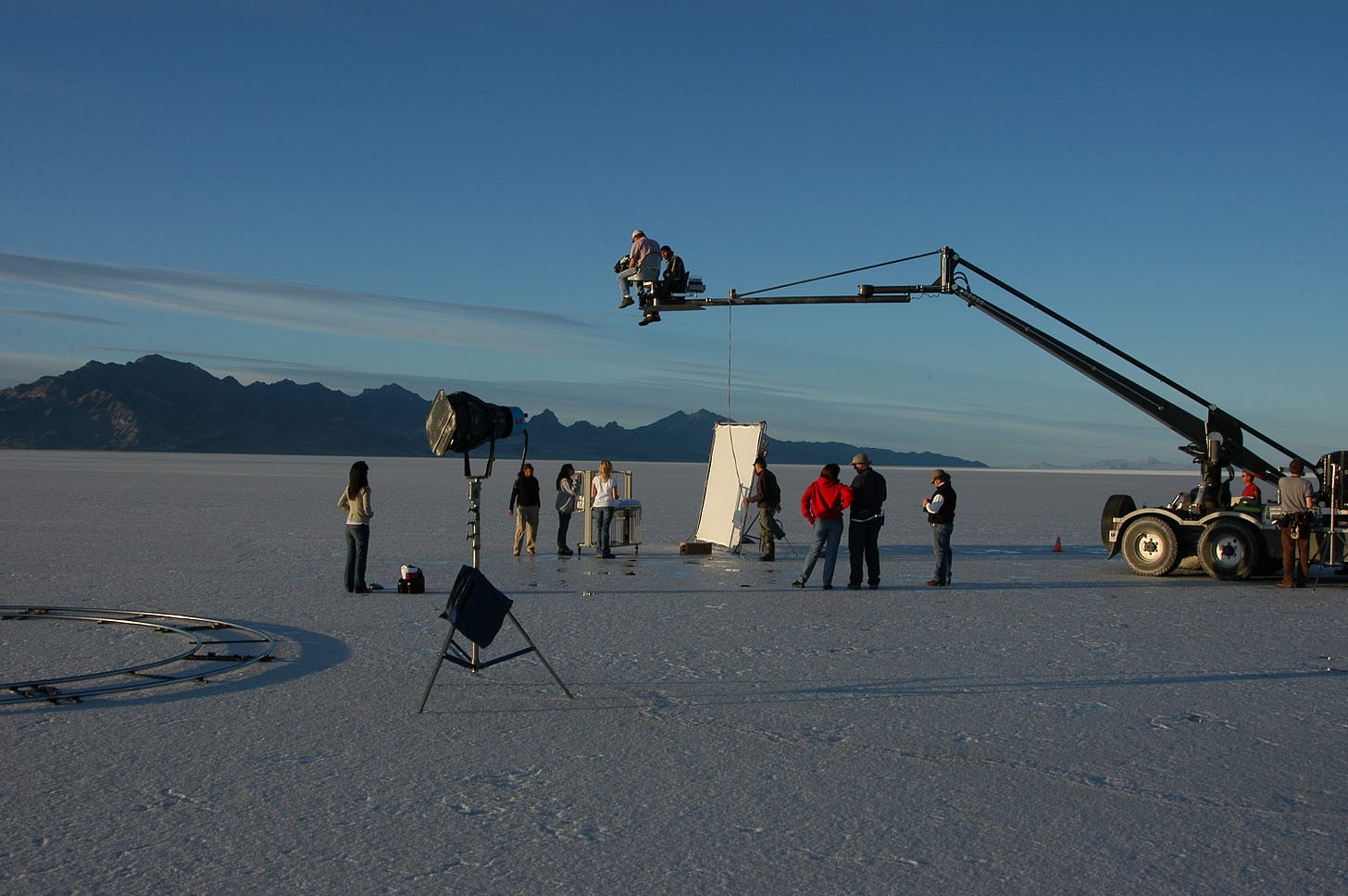
 In this edition of Saints & Cinephiles, Isaac Wright sat down with the director and cinematographer of Standout: The Ben Kjar Story to discuss their latest documentary – and reflect on a prolific filmmaking career.
By Isaac Bing Wright, crossposted from Substack.
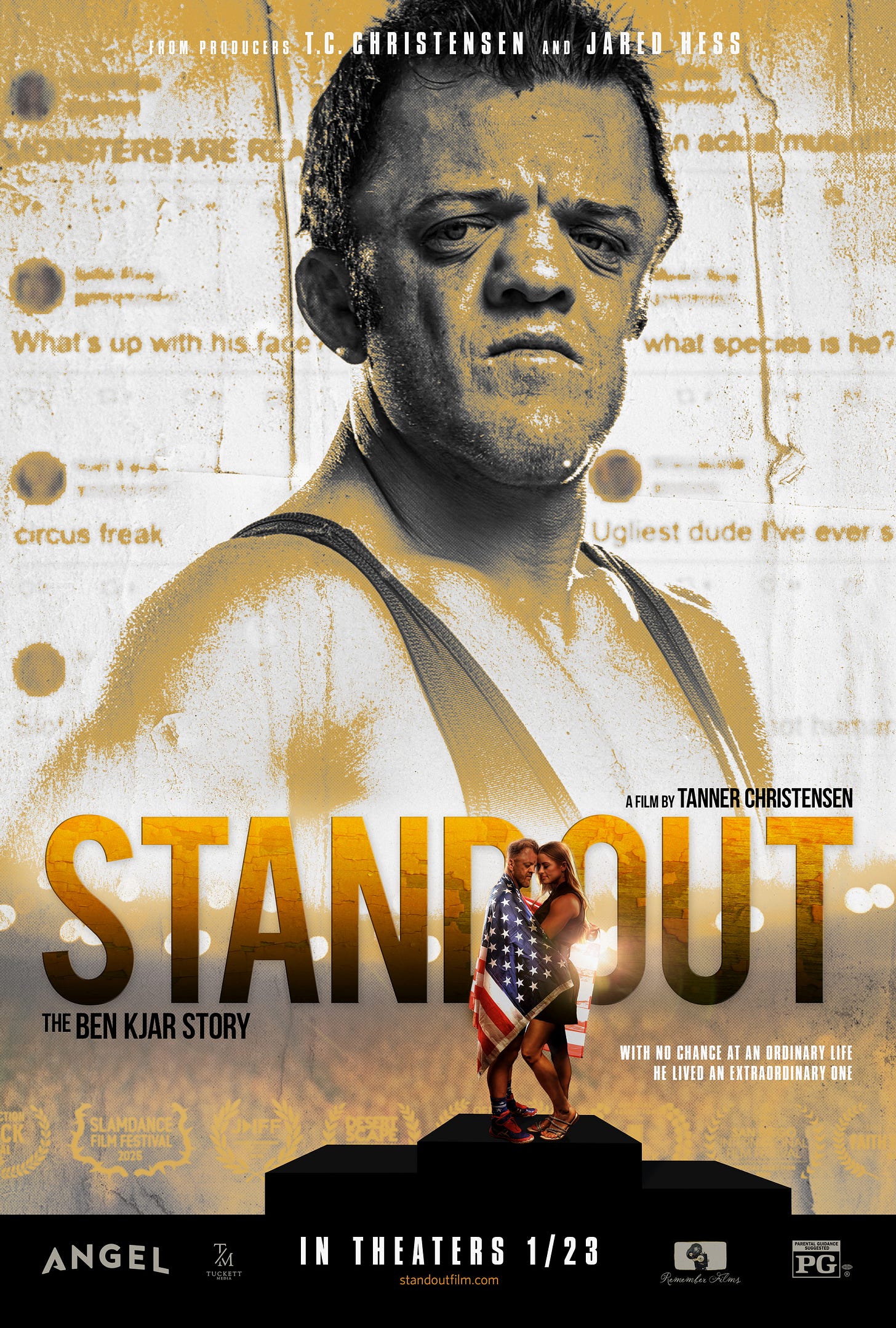
If you’re a member of the Church of Jesus Christ of Latter-day Saints, you’ve probably seen a movie by TC Christensen. He’s directed pioneer staples like 17 Miracles and Ephraim’s Rescue and was a cinematographer on faith-based dramas like Forever Strong and The Work and the Glory. (That’s about as close as you can get to Mormon filmmaking royalty.) His latest documentary, directed by his son, Tanner Christensen, is now in theaters. Standout: The Ben Kjar Story follows a man born with Crouzon Syndrome who nevertheless refuses to let his disability define him, eventually becoming a world champion wrestler. I spoke with the father and son duo about working together on their latest film, their personal connections to the project, and highlights from a long and storied moviemaking career.

TC, you’ve directed films like 17 Miracles, Joseph Smith: Prophet of the Restoration, Ephraim’s Rescue – frankly, some of the defining movies in the LDS pantheon. Is there an added pressure or constraints making a film that you know will be viewed by a mainly Mormon audience?
Tanner, you’ve edited many of your father’s films. This is your first time directing while he DPs. What was it like moving from the editor’s seat to the director’s chair?
I was able to get some projects under my belt as a lead editor that really helped prepare me. Right before we did Standout, I worked on a documentary series for Netflix called Muscles and Mayhem about the American Gladiators TV show from the early ’90s. And it was the most ambitious doc project that I had ever worked on. And because of the amount of obstacles that came up in post-production, I left that project feeling just a confidence boost of, “[Now] I think I can do this.” And it was maybe a month later we started on Standout.
The other thing that’s made this kind of a dream-come-true opportunity was to be able to have both TC and Jared Hess as producers on it. I mean, it’s my two biggest mentors of my entire life and career, and to have them both on the project and in my corner? I can’t think of a better situation I could have been in for a first time director.
Tanner: Oh, absolutely. TC has so much experience, especially when it comes to making low budget feature films. It’s like working with a cheat code activated — he knows how to set up shots, what’s going to work, and we’re able to move so quickly because of his experience and get things done in record time. More importantly he’s just so experienced with budgets and the business side of film; I can’t put into words how valuable that is to have that in my corner on a film like this. And Jared had some incredible notes on early cuts of the film that were so insightful and shaped a few things. He has such a keen eye for story and for what audiences will respond to.
TC: With most feature films, you have 20 days or so to shoot it. You shoot it, and you’re done. And then you’d better make something good out of it. With Standout, we were able to go off and do a shoot, then come back and Tanner edits it and looks at it, and we move on. And it was stretched out over a long period of time. And so you don’t have the pressure of a normal 20-day schedule or whatever you’re able to work with. And that allowed Tanner to be able to continually refine things — what can we do and how could this be better? And I think that really improved the film.
How long was the full production, start to finish?
Tanner: So the original idea came about 30 years ago. I grew up in Centerville, Utah. That’s where the subject of the film Ben Kjar also grew up, and the first memory I have of him was at a Junior Jazz rec basketball game. And TC had been watching Ben play and just made a comment: “Man, I bet that kid would make such a good movie. We’ve got to keep an eye on him.” And he wrote that down. He has a file of movie ideas that he’s kept forever. That went in the file until about four years ago, when we started talking about working on a possible documentary project. He went through his files, saw Ben Kjar’s name written there, and boom, that was it. That was the idea we decided to pursue. And from approaching Ben up to now with the film’s release, it’s been about three and a half years.

You both had a personal connection with Ben Kjar. Does that make it harder to tell his story? How did you approach the narrative?
Tanner: We knew him a little, especially TC; he knew Ben’s parents probably better than I knew Ben. But it wasn’t as though we were dear friends or really close. But the truth is that after we approached him and started talking, we realized that we had an idea of what the story was going to be, but we didn’t know that there were all these different layers going on. And we were lucky that Ben and his family were incredibly open to being vulnerable and telling the truth about who they are, their experiences, what happened, rather than trying to sugarcoat everything and try to make sure they came off looking great or cool. There’s some hard things that are talked about in the film, and not everybody makes the best decisions. And the subjects of the film were all really open about that.
I want to turn back the clock a little bit. TC, you directed and produced a short film that will be familiar to church members in the ’80s – The Touch of the Master’s Hand, which contains some truly disturbing moments of violence against an old violin. It’s pretty early in your filmography, but what was making that film like for you? What did it mean to you?
TC: Thank you for bringing that one up, Isaac. That film really was a turning point. It launched my career, in many ways. After I made that film, I could get about any job I went after. It was my show reel there for a while, and whenever I’d show it to a prospective director, trying to get a job as a cameraman, I’d show it and I’d get the job. That wasn’t the case before that film.
And it was an eye-opener to me of the power of a good story that has redemption at its core, one where you’re dealing with somebody who’s been beat up and scarred and then overcomes it. Man, that’s a universal theme. We relate to that. We all fit into that. It just got me thinking more along those lines, and I’m glad it did. I think that type of film has real merit.
Christensen’s 1987 film The Touch of the Master’s Hand would become a staple of missionary lessons and opened numerous doors for the young filmmaker.
Were there other projects throughout your career that you also can look back on as key turning points?
TC: I got to shoot on the film The Testaments. I was the director of photography and my friend Keith Merrill was the director. And I can still remember watching the film being shown in a theater, and at this point I’ve seen it hundreds of times. And at screenings, I don’t watch the movie. I tend to sit somewhere where I can watch the audience. And on that film, I noticed that as soon as you get to the part where the Savior starts healing, doing miracles, the audience perks up. You could just sense that they were connecting more with the film than they were with all the exposition scenes and everything before. As I look back, I think that that film really influenced me toward wanting to portray miraculous events. I’ve done that in a lot of films and have always been happy about it.
I get the sense that you approach your stories through the lens, literally, of a cinematographer. Talk to me about how you use your camera to convey the emotions that you would like to get across.
TC: You said it: emotions. I like every scene in one of our films to have an emotion attached to it. I don’t like scene after scene where you’re just trying to get to know a person and exposition. People go to the movies because they want to feel something. They want to be touched. So maybe it’s something humorous, or ironic, or sad, but I find [the emotion], and I try to then use the camera to amplify whatever that emotion is. That’s done through the type of lighting, the location that it’s set in, what type of camera movement that you do, whether it’s shot in a wide master or whether you’re getting in on tighter shots. I can’t give you a formula, but I can tell you that all of those things are considered as we’re laying out the film, how we want it to affect the audience.
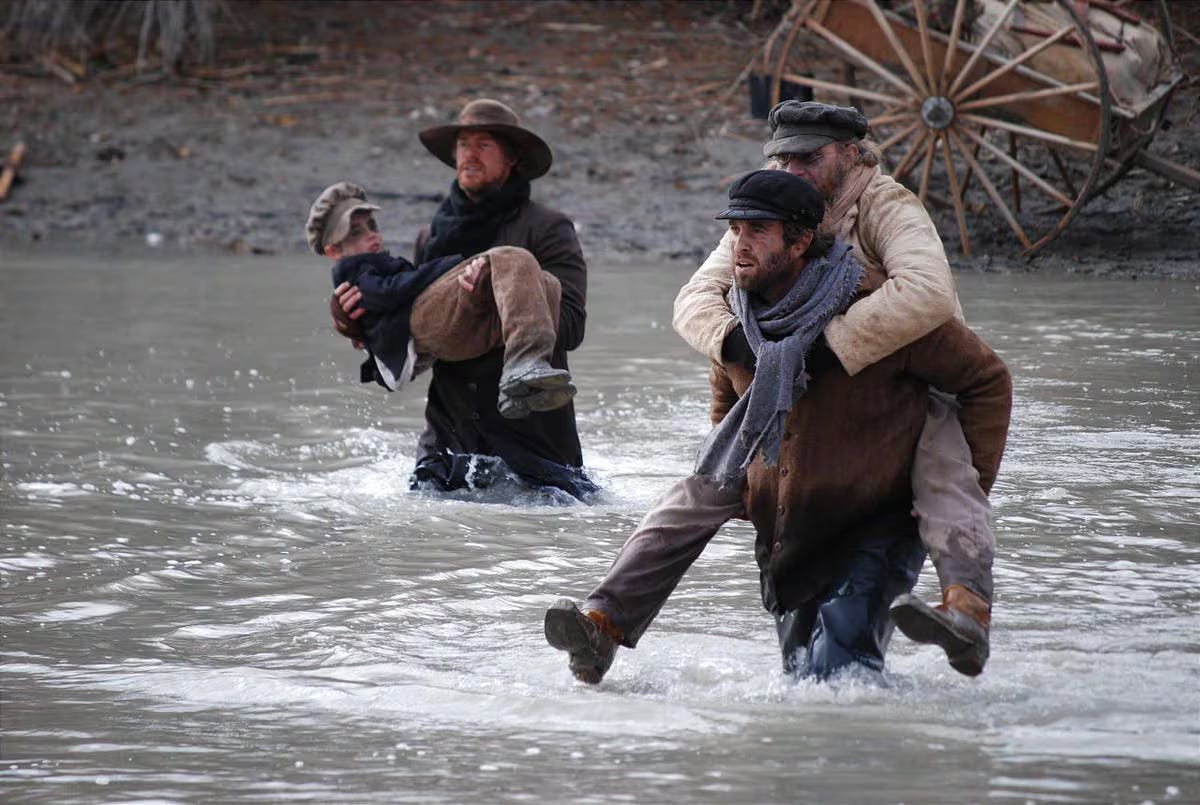
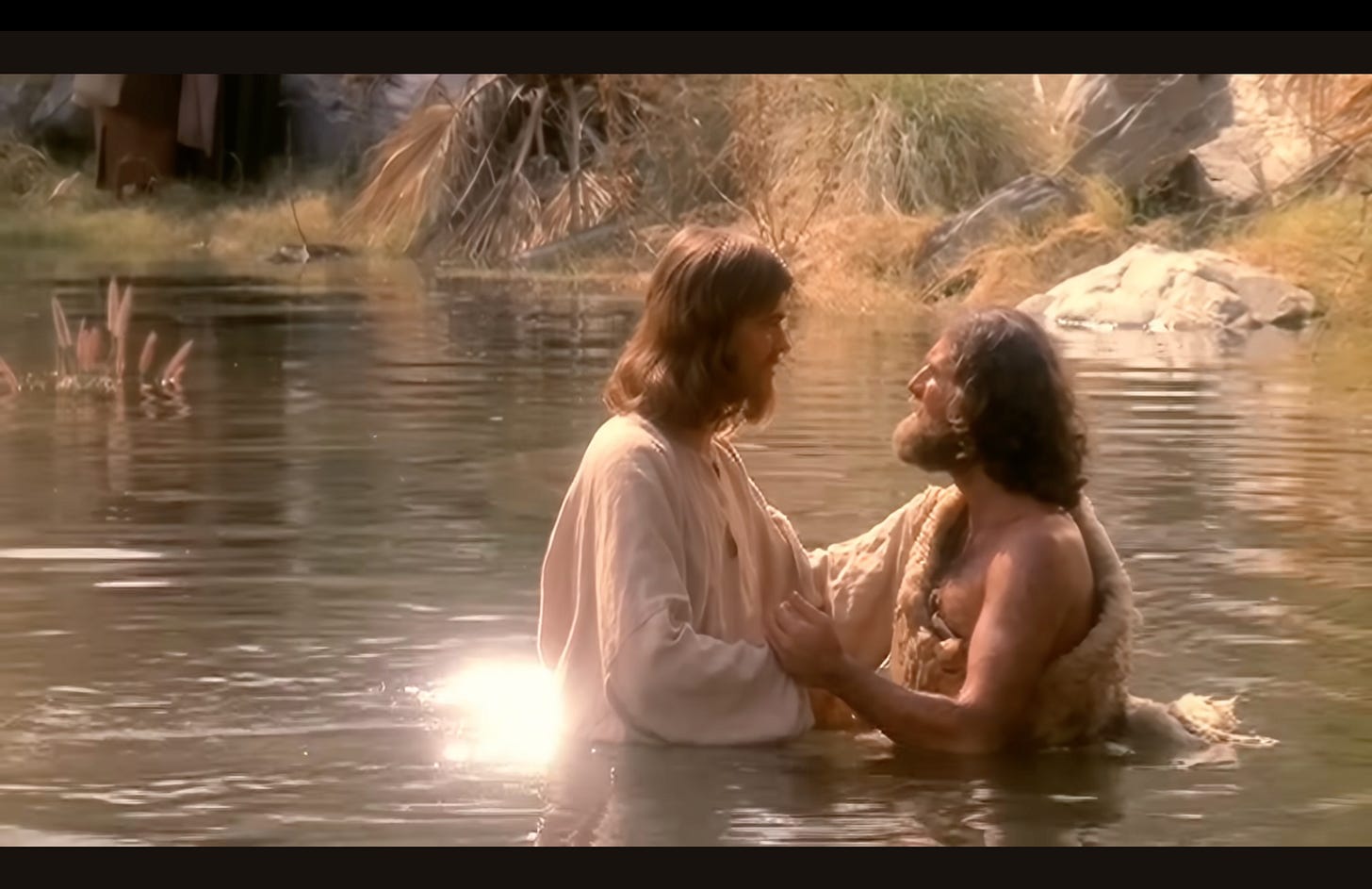
I remember a conversation from my days in the BYU film program, saying “Oh, you can tell TC Christensen shot the film if there’s a slow motion water sequence. He loves slow motion water.” So is that a motif of yours?
TC: Have you seen Standout already?
I haven’t seen it yet. Is there a slow motion water shot?
Tanner: There is some slow motion water in this. [I didn’t realize] this was a meme, or whatever, but we’ll continue it right in Standout. We’ve got a whole motif throughout the movie of water, referring back to the pool of Bethesda, of angels that moved the water for someone to be healed, and we show Ben’s family and other people that came into his life that moved the water for him.
TC: But nobody’s ever pointed that out to me, Tan. Have you ever heard that?
Tanner: No, but I mean, thinking back, I can see it. We’ve done a lot of stuff with water. I think that’s fair.
Well, I think it’s wonderful. I had no idea. Tanner, you’re an editor by trade, so one could make the argument that you approach filmmaking from the opposite direction as your father – you’re taking these shots and stitching them together to create a story. What are the key principles you focus on in the edit?
Tanner: With Standout, I do feel like I approached it with an editor’s eye. But because we had the luxury of time with this one, I actually kind of took the same approach that Pixar takes with their films before they animate. They do storyboards of everything, cut them all together with dialogue and sound effects. They film out the storyboards before they actually go and make the film, to see if the story’s working.
We kind of took that approach with this film – we did go out and shoot the interviews to piece together what I thought the story should be, but before trying to figure out how to tell this visually, I went in, not with storyboards, but title cards of every little shot that I thought we needed to get. And if you watched that first cut, you would’ve been bored to tears. It is just watching just title card after title card. I made my family watch it, and I don’t know how they made it through it. But it was incredibly valuable for me because we knew exactly what we needed before we went out and shot it. It’s not going to work that way on every film. It may never work that way again on any other film that I work on, but it was a unique approach and I feel like it worked out perfectly for me.
TC: He’s underselling it by saying it was so boring at first. It really wasn’t! Even though he did have just a lot of title cards and stock footage that was going to be replaced and so forth, you could see the story, see what was working. And he was pacing it so that for every positive thing that happens to Ben, something else happens and it pulls him down, and then he gets back up. That was right there from that very first cut.
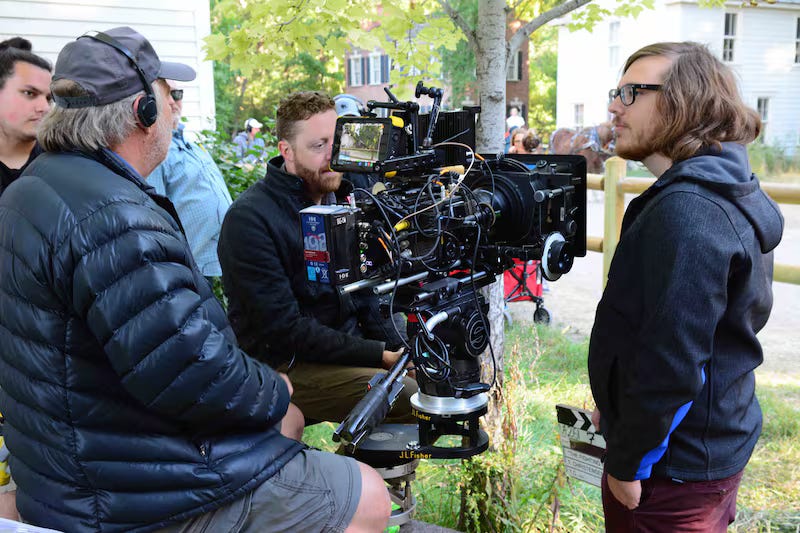
There’s been criticisms over the years that your movies or your stories can be overly sentimentalized or hagiographic. I’m curious how you would respond to those critics?
TC: Well, perhaps I am guilty of that, and I’ve probably done it a bit more than I should. But I’ll tell you that I decided early on: I am not against conflict, good against evil, that kind of thing. But I’m not that interested in making films where you come out of the theater depressed, having had an experience where you’re like, “Oh, man, I better just go find a hole and crawl in it.” I want somebody to come out of the theater feeling better about life. I am a positive person. I look at the bright side of things almost continually, and so it’s probably just my psyche coming through.
Also, we’ve only done true stories. And that’s intentional. I think that true stories bring so much more emotion to people when they realize this really happened to somebody. And most of our films have been about dead people. It’s history, and they’re no longer with us. Well, with a film like Standout, that’s a living person. I’ve had descendants of some of the people that we’ve portrayed who have complained to me that I show their foibles, and that I show them not as a perfect person. And actually, I’ve really tried to make sure that I do. Every character does have some chink in the armor.
Take our film The Fighting Preacher. I had some members of the family tell me they felt like I was showing him as too much of a flawed character. And I responded to them, “What perfect person just smacks people in the face?” It was his method of conversion – bam! Punch in the face. I got pushback about that, and I just dug my heels in and said, “I’m not going to pretend this guy has nothing wrong with him.” And if you’ve seen the film, he confesses he was not a good husband in his first marriage, and now he’s trying to do better in his second marriage. And I love what that does for a character to let the audience see that they are human.
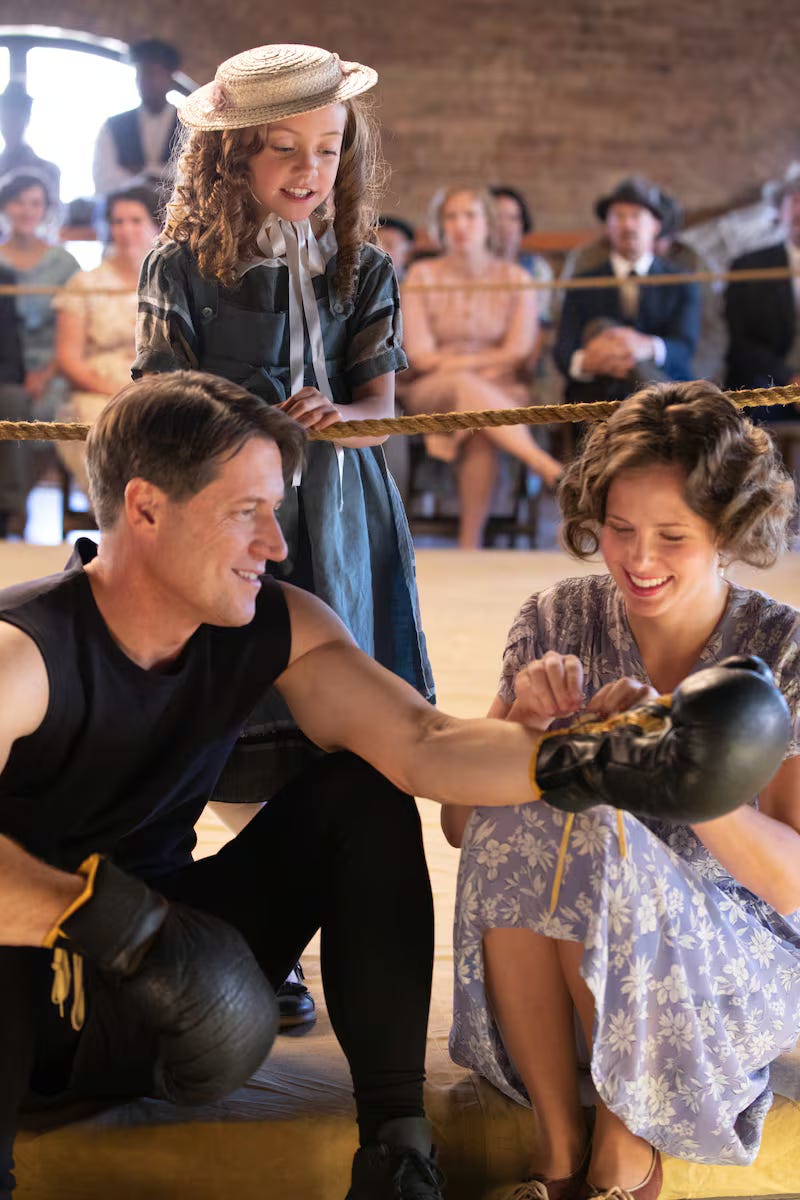
TC, you’ve got such a large filmography. Is there a film of yours that you wish more people had seen, but has not had the impact that you’d wanted?
TC: I actually do feel that way about my film The Fighting Preacher. I really like it. I think it’s funny. It’s an interesting character study — they’re sent out [to Palmyra] for 24 years and people hate ‘em and they stick it out. Of course, it’s a very LDS film, and I didn’t expect it to go way beyond that crowd, but even within, I wish more people had gotten to see it.
Is there a piece of advice that you’d give to a young LDS filmmaker who’s looking to work in the industry? Or was there a piece of advice that was particularly influential for you?
Tanner: Yeah, the best piece of advice for a young filmmaker is if you’re trying to get into film, try to make your dad get into it first. That’s the easiest way to get in. That’s all I got!
TC: Nepotism! Well, at this point in my career, I have to have a son who hires me, so I’m leaning on nepotism going the other direction now [laughs].
Tanner: There’s been plenty of nepotism in Hollywood, and we’re happy to keep bearing that torch [laughs].