
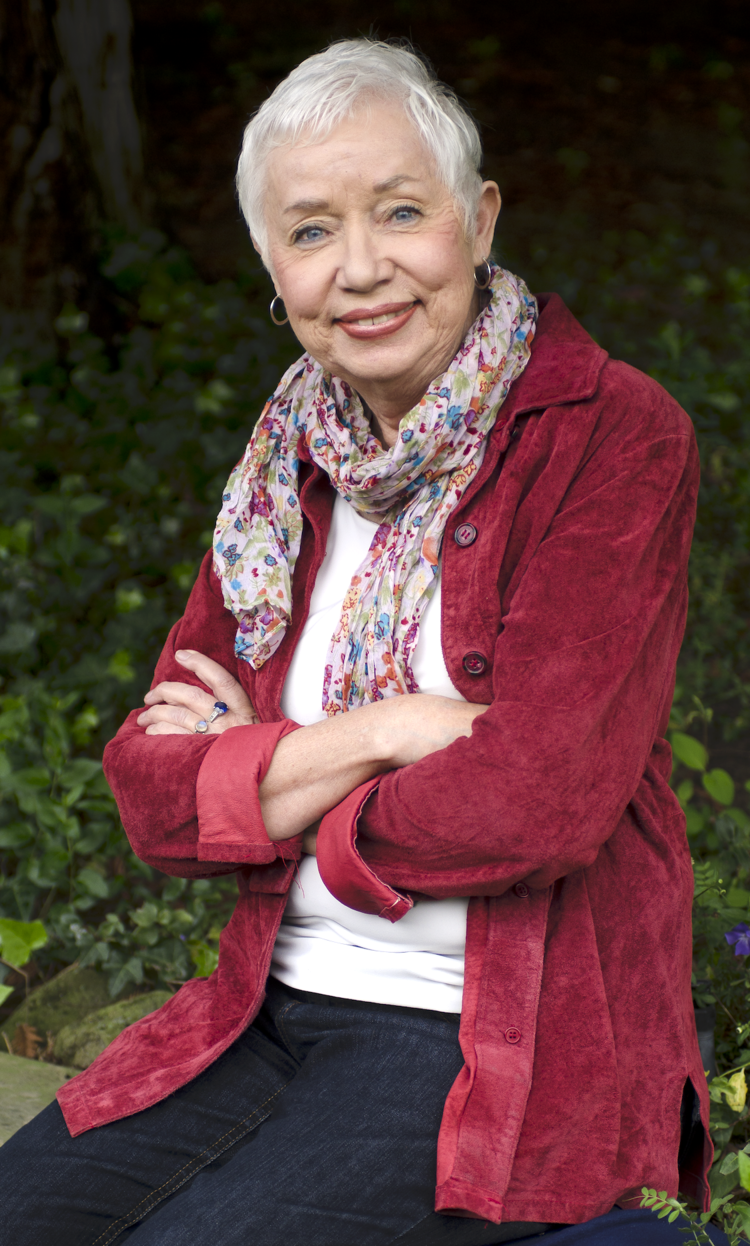
 We are heartbroken to hear the news of Carol Lynn Pearson’s passing. Carol Lynn was one of the giants of Mormon literature, loved and admired for both her literary work and her presence in the community. Her work in poetry, drama, film, feminism, the feminine divine, etc has been fundamental in reshaping the boundaries of what it means to be a Latter-day Saint. Her Salt Lake Tribune obituary, written by Peggy Fletcher Stack, is available here.
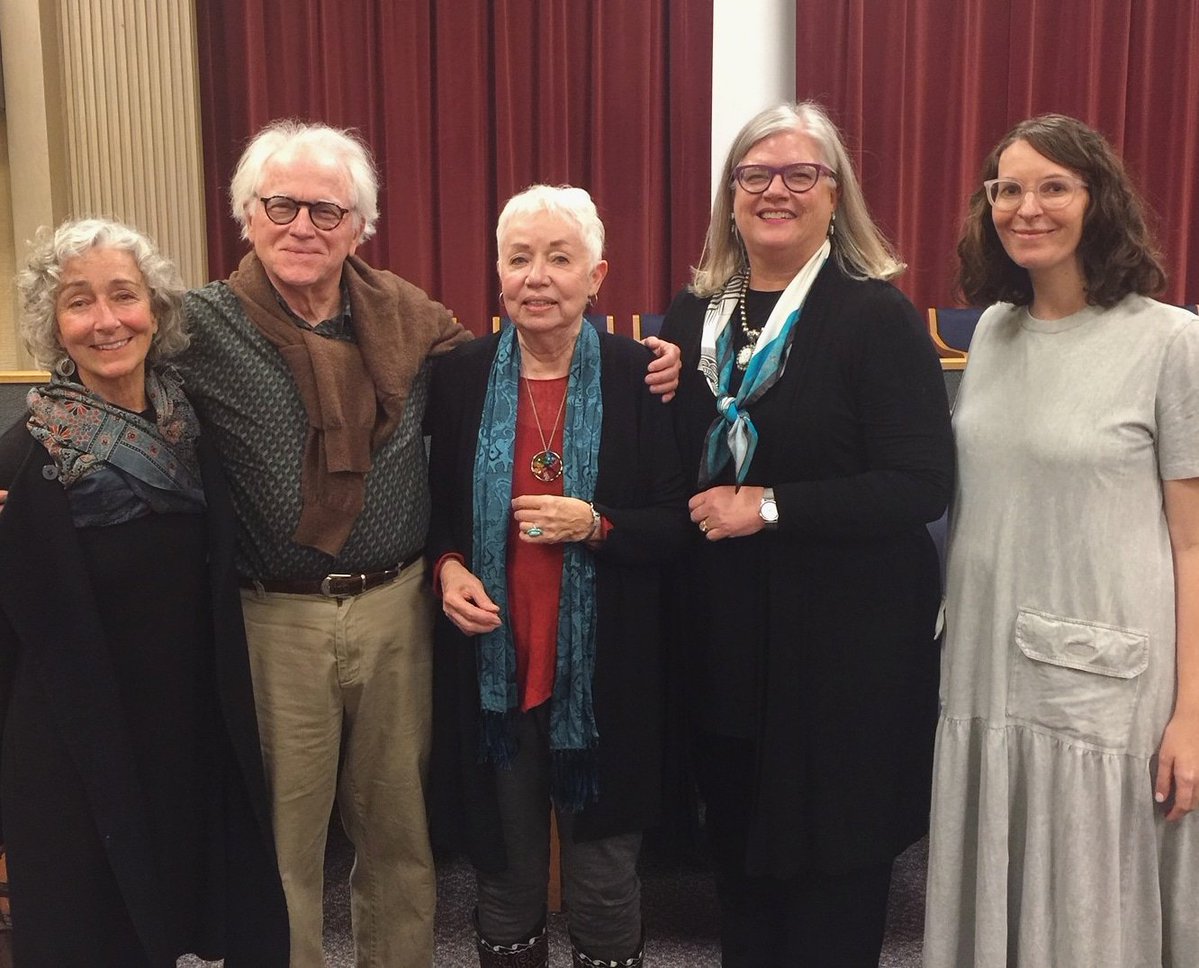
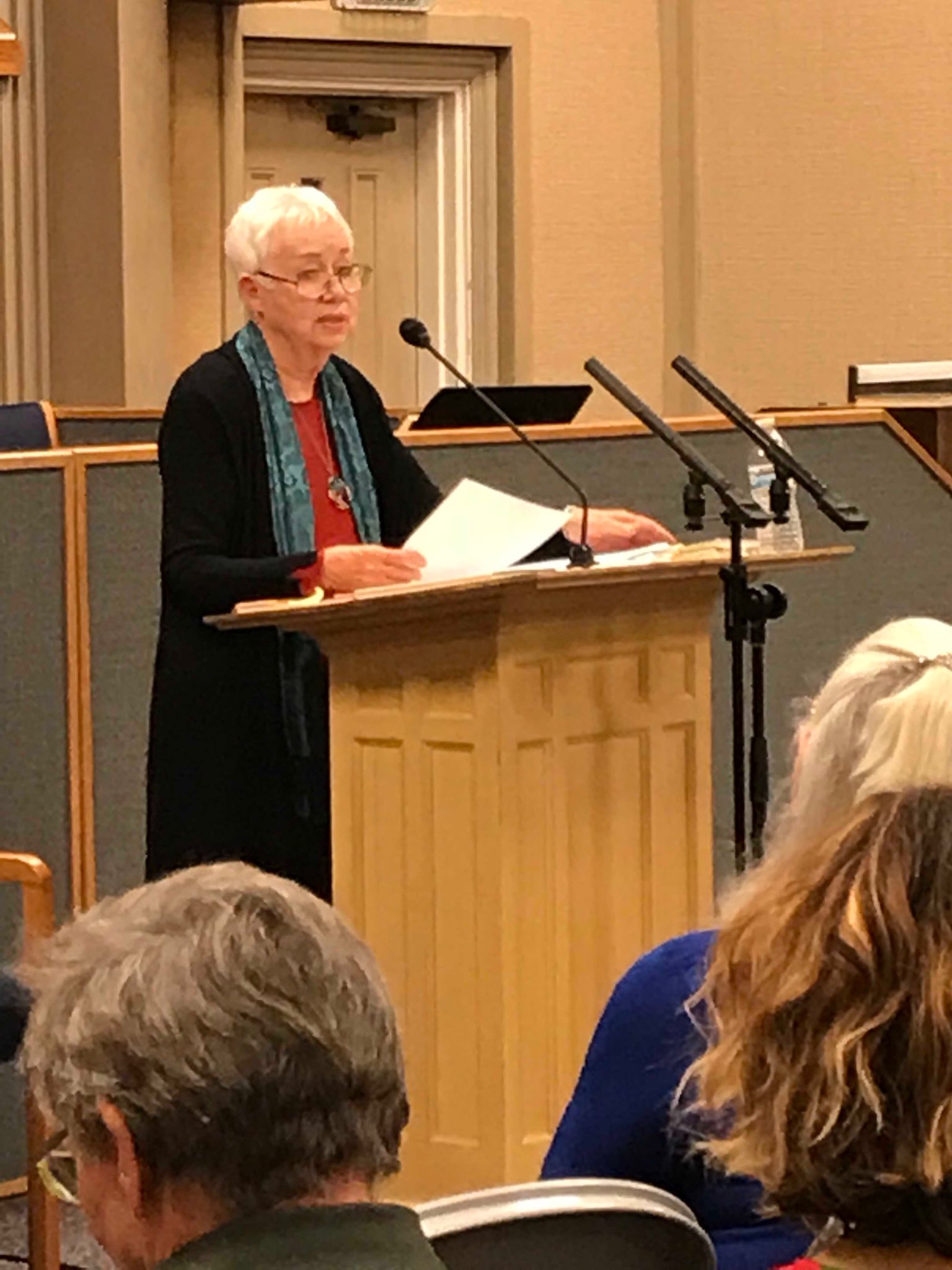
The Association for Mormon Letters honored Carol Lynn with a Lifetime Achievement Award in 2019. Below is the award citation, written by Joanna Brooks, and a video of the AML Conference session honoring Carol Lynn, featuring Rachel Hunt Steenblik, Kathryn Pritchett, Joanna Brooks, Kathleen Peterson, and Bob Rees, and which concluded with a reading by Carol Lynn. This is followed by a summary of Carol Lynn’s published works, and an extensive bibliography. We’ll miss you, Carol Lynn.
In Honor of Carol Lynn Pearson
By Joanna Brooks
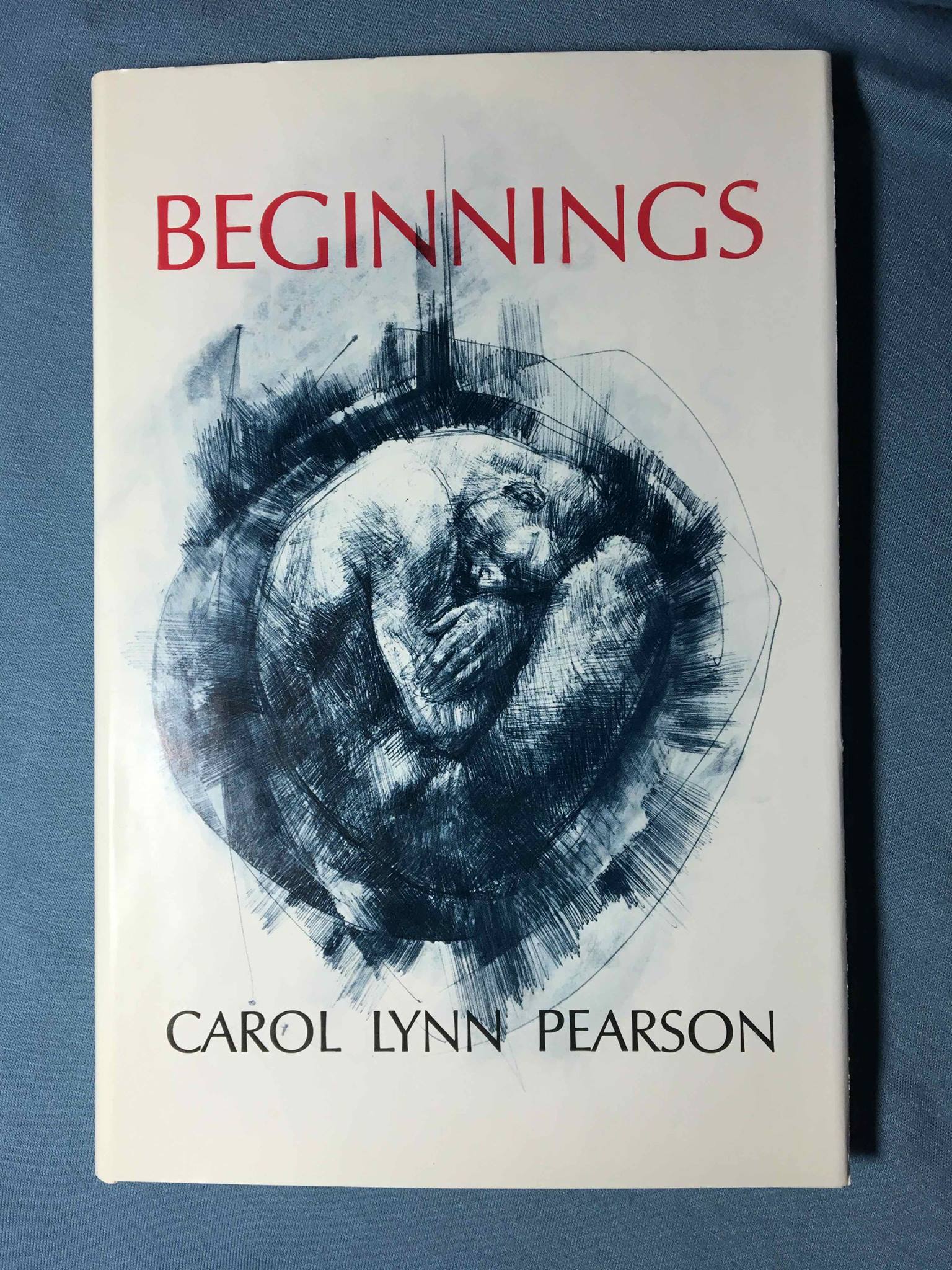
Quite accidentally when I was preparing these remarks I came across a 1968 BYU Studies review by one Professor Edward Hart of a book of poetry entitled Beginnings. The review is a gem of Mormon Studies misogyny and should be read only if to help us recognize that spirit which still abides among us. But for the sake of economy and emphasis, I’ll summarize the main points here. High praise Professor Hart offers at first for the young poet Carol Lynn Pearson’s “devotion” and “earnestness,” before he resorts to the kind of formalist scolding only the rearguard of literary criticism was still indulging as the world burned down in 1968. Just about everyone else, and every social movement poet especially, had by that time followed our great American forebearers like Walt Whitman into the democratic and embodied forms of free verse, but not Professor Hart, who at the outset dismisses Beginnings as not even qualified to be called poetry on account of its resistance to formalism. And, what’s more, as his paragraphs roll on, he confesses not only to rejecting the work but to his “annoyance” and “repugnance” with some of the figurative language. And then Professor Hart’s real issue breaks through: he can’t stand Beginnings, it turns out, because birth—a governing conceit for the book, a metaphysics born of what some women do with our actual bodies—is frightening:
Not being a mother myself I am overpowered in the fetal presence not unlike a father in the waiting room but here it is not so much the words that betray me into uneasiness as it is the pictures. Somehow the adult in the fetal position on the dust jacket puts me off reminding me of nothing so much as those unfortunates huddled in this position in sad regression on the floors of the state hospital. . . . The author has forgotten that in the beginning was the word and not the picture.
 Actually, I think the author was bold enough to remember that in the beginning was the mother, and the womb of the mother, and that in a house made motherless by purposeful repression of the mother, the reality of human experience is indeed terrifying, and that what a powerful mother does is hold us and see our complicated truths and soothe us through them. Which is what Carol Lynn Pearson has done for this community for the last fifty years, quite in defiance of Professor Hart’s closing exhortation that the young poet in time would come to “submit herself to the disciplines of the craft” (yes, that’s a quote). And aren’t we glad she never did submit herself to the various forms of discipline Mormon women face. (Cue Heather Harris Bergevin’s brilliant poem on the scold’s bridle.)
But leaving Professor Hart, I’m going to share with you four reasons why I honor her, wholeheartedly, and four lessons I take from her that have shaped me as a Mormon writer. Carol Lynn here is what you mean to me.
- You remind us that one of the meanings of Deseret is industry.
Everyone—every Mormon writer especially—should know the story of your first book, Beginnings, with illustrations by the now revered gay Mormon artist Trevor Southey. You were rebuffed by every publisher you approached. So you and your husband published it yourselves—2,000 copies—and sold out, and republished it, and lugged cardboard boxes to bookstores and kept selling, and gave us one of the most impactful and significant bodies of poems in our cultural history. We do not stop because institutions do not see us, yet. We do for ourselves. We build.
And we keep building. Look at the magnitude and impact of your career. From the early collection of historical writings, Daughters of Light—a collection of records of the spiritual gifts of women in the early LDS Church, published by Bookcraft in 1980, to the commercial success of Goodbye, I Love You and your Christmas books—you have shown us that it is good and powerful to use art to give people what they need. And doing so keeps you busy. Industry!
- Your art consistently draws its beauty from the language and experience of the Mormon people.
When I say the Mormon people, I am cautious. There is an ethnic Mormonism, forged out of the English and Scandinavian cultures of many pioneers from the elements of our shared experience and the Ute, Paiute, and Shoshone landscapes we have occupied, and it certainly has played an enormous role in our culture. But the Mormon people are also Maori, African-American, Chilean, Navajo, Tongan, Korean, and the way we choose to speak to each other has a tenderness, a sweetness, a plainness born of pragmatism and frugality, and rounded edges. We feel and hear it in My Turn on Earth and Mother Wove the Morning, in the true-to-life parody of “The Pink Moccasins.” Your aesthetic draws from the humble and profound. As you wrote in “The Cast,” first published in the New Era in 1976:
As I walk through the scenes,
Watch the costumes move,
And listen to the lines
Of the powerful, the weak,
The rich, the poor,
I look at the leads with less awe than most,
And at the spear-carriers with more.
You have taught us time and time again that there is poetry in the very marrow of Mormonism, in our plainest truths, our homespun transcendence.
- You taught us that sharing what is difficult, different, and unorthodox is powerful and good.
These are not contradictory: the sweetness, plainness, and rounded edges of the way we speak with one another and the challenging truths of our lives. The former serves as a container for the latter. You have shown us how to hold our struggles close, from the quiet internal struggles you depict as the aging Mormon characters in poems like “Millie’s Mother’s Red Dress” come to terms with life choices, to way you fearlessly made public your struggle as you witnessed your husband come to terms with his sexuality and die from HIV/AIDS. From the valuable material of her struggles you have offered witness, acknowledgment, understanding, hope, and honor to others. You have played a prophetic role in extending love and recognition to LGBTQ and questioning Mormons. And even yet, miraculously, you found a way to offer it through the institutional church—through the children’s hymn, “I’ll Walk With You.”
- You keep showing up for the young ones.
We have been struggling as Mormon people to understand how to live with the complexities of faith, especially those of us raised during a time of correlation and bureaucratization. But with a persistent brightness of hope that has nothing to do with innocence, you show up and embody that Mormonism has always been complicated and that holding complication in love is the highest responsibility of a faith community—it is, in fact, redemption. Thank you, Carol Lynn, for showing up at Feminist Mormon Girls Camp, so our sons and daughters could touch you and say they knew you, could sit at your feet under the trees up Hobble Creek Canyon. Your willingness to show up for us, to stand on the edge and face west towards the future—as you capture in your essential poem “Pioneers”—is, perhaps, the secret to your perpetual youth, beauty, and power.
Thank you, Carol Lynn, for being a mother of Mormon feminism, the mother of contemporary Mormon poetry and drama, and for soothing and encouraging us in more ways than you will ever know.
Carol Lynn Pearson’s literary career
By Andrew Hall
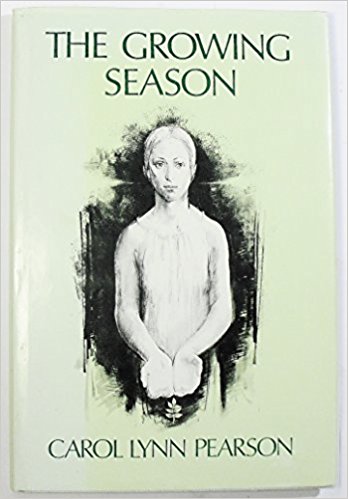
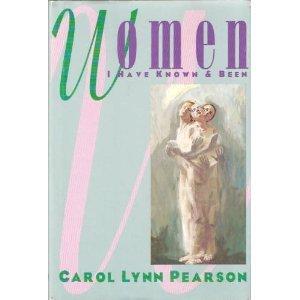
 Carol Lynn Pearson is one of the best-known and best-loved Latter-day Saint literary authors. She writes in a wide variety of genres, including poetry, theater, novel, and non-fiction. She graduated from Brigham Young University with an MA in theatre, taught for a time at Snow College and BYU, and was then hired by the BYU motion picture studio to write educational and religious screenplays. Borrowing two thousand dollars, her husband Gerald created a company called “Trilogy Arts” and published her first book of poetry, called Beginnings in 1968. This work was a great success, and led to a series of poetry collections, including The Search, The Growing Season, A Widening View, I Can’t Stop Smiling, and Women I Have Known and Been.
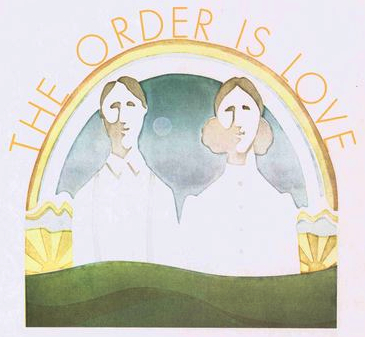
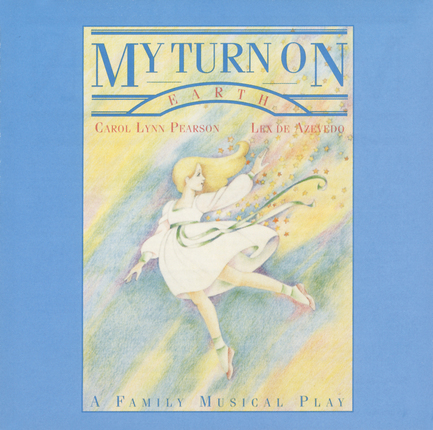
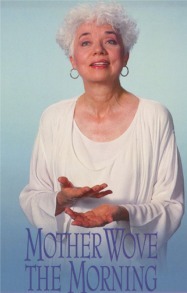
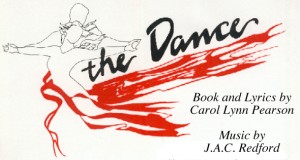
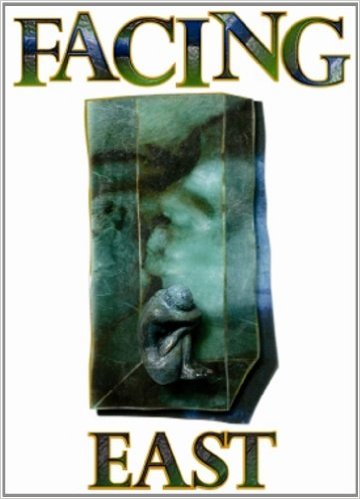
She wrote the scripts for numerous dramatic and educational motion pictures, including the well-known Cipher in the Snow (1973), as well as many plays and musicals, two of which were commissioned by Sundance Theater. The musicals include the frontier-era The Order is Love (1971), the Godspell-like My Turn on Earth (1977), and The Dance (1981), which was later adapted into a feature film. She both wrote and performed over 300 times a one-woman play, Mother Wove the Morning (1989), and wrote Facing East (2007), which tells the story of a Mormon couple dealing with the suicide of their gay son. After premiering in Salt Lake City, it had runs Off-Broadway and in San Francisco, and was awarded an AML Drama Award and was named by the Deseret News the “Best play of the year.”
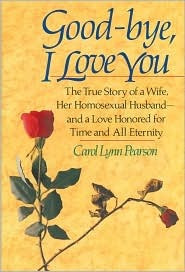
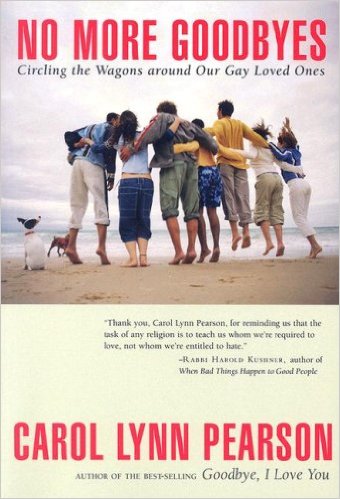
In 1986 Random House published Carol Lynn’s memoir Goodbye, I Love You. It centered on the story of her marriage to Gerald, his homosexuality, their divorce, and his tragic death from AIDS some years later. Carol Lynn has continued to write about the subject of homosexuality, including No More Goodbyes: Circling the Wagons around Our Gay Loved Ones (2007).
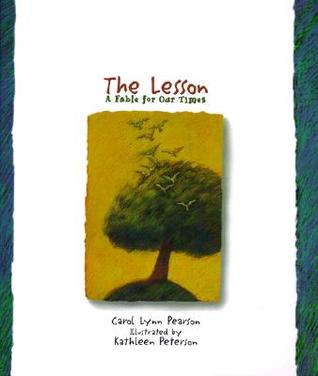
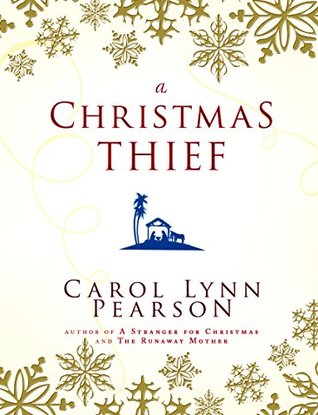
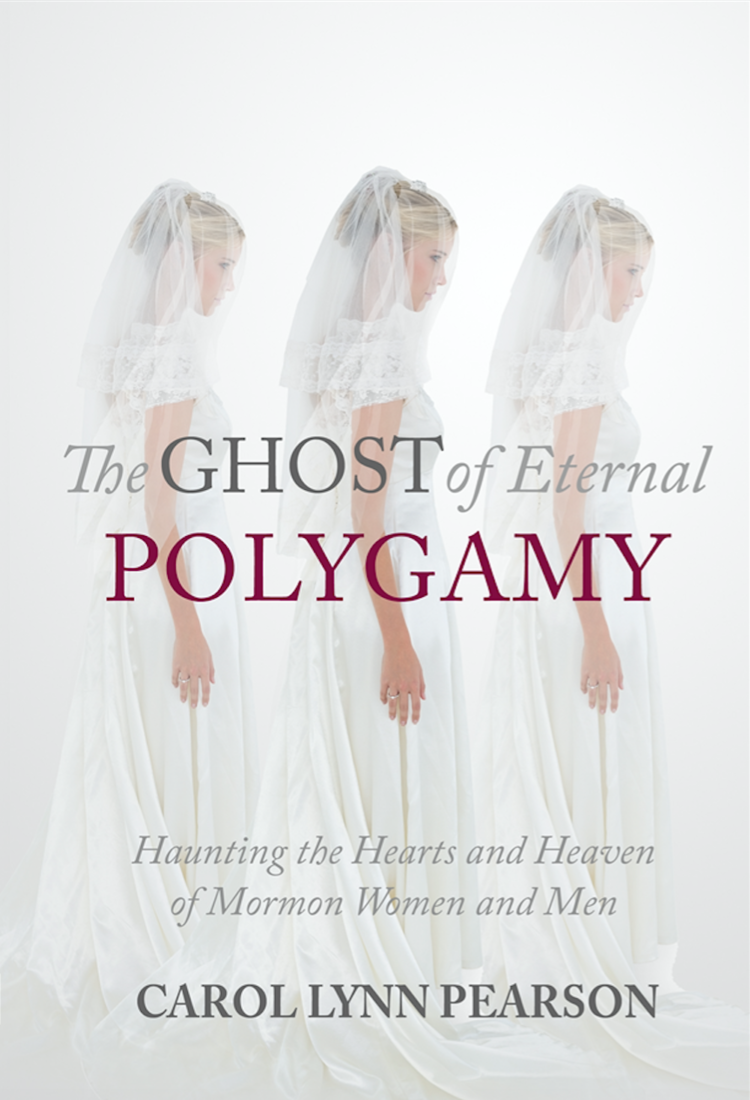
Carol Lynn has also written dozens of other books, including novels, diary excerpts, humor, non-fiction, and a series of inspirational books under the series title Fables for Our Times. She was given an AML “Special Award” in 1984. Her 2016 nonfiction The Ghost of Eternal Polygamy, which critically examines the impact of LDS ideas about polygamy, was a finalist for an AML Religious Non-Fiction Award. In 2025 and 2026 the first three of a planned four-volume collection of her edited diaries were published by Signature Press.
Bibliography
1966
- “Pegora the Witch,” children’s play, Children’s Theatre Press (subsequently Anchorage Press Plays, now with Dramatic Publishing)
1968
- “Beginnings,” poetry, Trilogy Arts, (1974 Doubleday, 1985 Bookcraft; 1984 German paperback)
- “Martyr-In-Waiting,” one-act play in “The M.I.A. Book of Plays,” The General Boards of the Mutual Improvement Associations of the LDS Church (2013 Zion Theatricals)
1969
- “Think Your Way to a Million,” play, The Dramatic Publishing Co.
1970
- “The Search,” poetry, Trilogy Arts (1974 Doubleday; 1985 Bookcraft; 1985 combined with “Beginnings”)
1971
“The Order Is Love,” musical play with Lex deAzevedo, Trilogy Arts (now with Zion Theatricals). The tale of Orderville, Utah—1875-1885—where over 700 Saints lived and worked and played and prayed together in the United Order, a version of the Law of Consecration, seeking Zion, learning tolerance and patience, expanding “love” towards “charity.” We see our own foibles and failings in those of the residents of Orderville as they learn the hard lessons of sharing, giving, getting along, and wondering how can I love my neighbor even when I can’t even stand him and after all I work harder than he does and my skilled work is worth more than his lowly weed-pulling. Premiered by Brigham Young University in 1971.
1973
- “Daughters of Light,” Mormon women’s history, Trilogy Arts (1974 Bookcraft)
1974
- “Sound and Shhhhh,” children’s picture book, Trilogy Arts
- “Poetry of Carol Lynn Pearson,” read by the author,” LP sound recording, Trilogy Arts
- “Move On,” play, Embryo Music (subsequently Encore Performance Publishing which is now Zion Theatricals).The play is based on journal entries, diary accounts, and folk songs of the Mormon pioneers crossing the plains to create their new home, their Zion in the Rocky Mountains. Through stirring historical scenes and monologues, folk songs and hymns of the era, the Saints’ journey comes vividly to life. Title song composed by Marvin Payne, along with all the other songs, can be played by the cast on guitars and other pioneer instruments.
1975
- “The Flight and the Nest,” Mormon women’s history, Bookcraft
1976
- “The Growing Season,” poetry, Bookcraft
- “The Busy Bishop’s Notebook,” humor, Bookcraft
- “Don’t Count Your Chickens Until They Cry Wolf,” children’s play with J.A.C. Redford, Children’s Theatre Press (subsequently Anchorage Press Plays, now with Dramatic Publishing)
1977
 “My Turn on Earth,” musical play with Lex deAzevedo, storybook, songbook, Embryo Music (subsequently Excel, then Deseret Book, now with Zion Theatricals)
- “Lullaby Song,” collection of lullabies with Lex deAzevedo, LP album, cassette and songbook, Embryo Music
- “Model Mormon Mother’s Notebook,” humor, Bookcraft (2005 adapted by Cedar Fort Press)
- “Marriageable Mormon Maiden’s Notebook,” humor, Bookcraft
- “I Believe in Make Believe,” children’s play with J.A.C. Redford, Children’s Theatre Press (subsequently Anchorage Press Plays, now with Dramatic Publishing)
 1978
1978
- “Model Mormon Missionary’s Notebook,” humor, Bookcraft
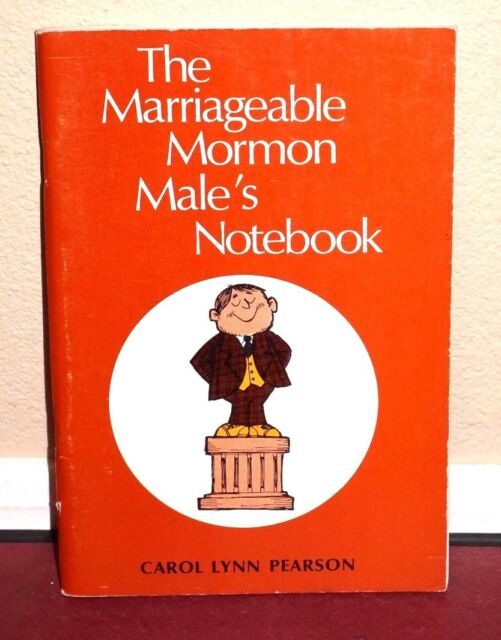
- “Marriageable Mormon Male’s Notebook,” humor, Bookcraft
1979
- “Call It Mother,” Mother’s Day gift book, Bookcraft
- “Faithful Mormon Father’s Notebook,” humor, Bookcraft
1980
- “Will I Ever Forget This Day?” diary excerpts, edited by Elouise Bell, Bookcraft
- “Letters to Missionaries,” humor, Bookcraft
- “Letters from Missionaries,” humor, Bookcraft
- “Ready Relief Society Sister’s Notebook,” humor, Bookcraft
1981
- “The Dance,” musical play with J.A.C. Redford, script, cassette recording of music, Plough Down Sillion Music (2003 Encore Performance Publishing, which is now Zion Theatricals).
- “Overheard at the Dance” novel, adapted from musical play, Bookcraft (2007 published as “The Dance,” Cedar Fort Press; 2007 basis for movie “The Dance”)
1983
- “A Widening View,” poetry, Bookcraft
- “Stepping Stones and Stumbling Blocks,” game, Bookcraft
- “A Lasting Peace,” young adult novel, Randall Press (1989 Deseret Book, 2007 as “Summer of Truth,” Cedar Fort Press)
- “Today, Tomorrow and Four Weeks from Tuesday,” novel, Bookcraft
- “A Widening View,” poetry sound recording read by the author, Bookcraft
- “The Growing Season,” poetry sound recording read by the author, Bookcraft
1984
- “I Can’t Stop Smiling,” love poems, Bookcraft (2007 as “In Love Again and Always,” Cedar Fort Press)
- “A Stranger For Christmas,” Bookcraft (1996 St. Martin’s Press; 1996 Korean Edition; 1996 Japanese Edition; 1997 German Edition; 1997 Dutch Edition; 2003 Loyola Press; 2006 Cedar Fort Press); 1990s play adaptation, Encore Performance Publishing, now with Eldridge Press
1985
- “Not At All Trivial,” game, Bookcraft
- “Blow Out the Wishbone,” stories about family, Bookcraft (selections published as Priceless Moments, 2008, Cedar Fort Press)
1986
- “Goodbye, I Love You,” memoir, Random House (1987 Columbus Books Ltd. London; 1987 German hardback; 1988 Berkeley paperback; 1989 German paperback; 1995 Gold Leaf; 2007 Cedar Fort Press)
- “Thoughts of the Heart,” journal for women, includes poems, Bookcraft
- “A Time to Love,” musical program with Lex deAzevedo, songbook, VHS performance, cassette of music, CD of music, Embryo Music
1987
- “Couples,” game, Bookcraft
1988
- “One on the Seesaw: The Ups and Downs of a Single-Parent Family” non-fiction, Random House.
- “Heroes and Villains,” game, Bookcraft
- “It’s My Life!” musical play with Lex deAzevedo, script, demo video, CD of music, Embryo Music
1989
- “Mormon Mother’s Candid Calendar,” humor, Bookcraft
1991
- “Women I Have Known and Been,” poems, Gold Leaf Press
- “Mother Wove the Morning,”one-woman play, DVD and book, sheet music, song tape, Carol Lynn Pearson
1994
- “The Modern Magi,”Christmas tale, Gold Leaf Press (1998 St. Martin’s Press; 2003 Loyola Press, 2007 Cedar Fort Press)
1995
- “A Christmas Thief,” Christmas tale,Gold Leaf Press (2003 Loyola Press, 2008 Cedar Fort Press)
1996
- “Picture Window,” compilation of poems, Gold Leaf Press
1997
- “Morning Glory Mother,” short novel, St. Martin’s Press (1998 German Edition; 1999 Korean Edition)
1998
- “The Lesson,” Gibbs Smith Publisher
- “The Stocking Stuffer’s Story,” Stellar Publishing
1999
- “What Love Is,” Gibbs Smith Publisher
2000
- “Will You Still Be My Daughter?” Gibbs Smith Publisher
- “Girlfriend, You Are the Best!” Gibbs Smith Publisher
- “Fuzzy Red Bathrobe: Questions from the Heart for Mothers and Daughters,” with Emily Pearson, Gibbs Smith Publisher
2001
- “A Strong Man,” Gibbs Smith Publisher
- “Day Old Child and Other Celebrations of Motherhood,” poems from prior books, Gibbs Smith Publisher
- “The Gift,” Gibbs Smith Publisher
2002
- “Consider the Butterfly: Transforming Your Life Through Meaningful Coincidence,” Gibbs Smith Publisher (2008 paperback titled “Embracing Coincidence,” Gibbs Smith Publisher; 2012 “Embracing Coincidence” hardback, MJF Books, Fine Communications, with Gibbs Smith Publisher)
- “A Sister,” Gibbs Smith Publisher
2004
- “The Christmas Play,” Loyola Press
2005
- “The Christmas Moment,” Cedar Fort Press
- “Beginnings and Beyond,” anthology of poems, Cedar Fort Press
2006
- “The Runaway Mother,” Mormonization of “Morning Glory Mother,” Cedar Fort Press
2007
- “No More Goodbyes: Circling the Wagons around Our Gay Loved Ones,” Pivot Point Books
- “Facing East,” play, Pivot Point Books. AML Drama Award, 2007. Plan-B Theatre Company, 2006 and 2007. Off-Broadway and San Francisco, 2007. A stage play that tells the story of a Mormon couple dealing with the suicide of their gay son. The scene is the cemetery directly after the funeral, with Alex and Ruth trying to understand. Suddenly someone arrives whom they have never met, Marcus, their son’s deeply-loved partner. Tension turns into listening, and understanding begins. “Best Play” award by the Deseret News, followed by a limited Off-Broadway run.
- “In Love Again and Always,” revised “I Can’t Stop Smiling,” Cedar Fort Press
2009
- “The Lord Is My Shepherd: Inspiration for Couples,” Gibbs Smith Publisher
2010
- “In Dog Years I’m Dead,” humor, Gibbs Smith Publisher (2010 Korean Edition)
2011
- “The Sweet, Still Waters of Home,” Cedar Fort Press
- “I’m Still a Hot Babe But Now It Comes In Flashes,” humor, Gibbs Smith Publisher
2012
- “The Hero’s Journey of the Gay and Lesbian Mormon,” Pivot Point Books
2016
- “The Ghost of Eternal Polygamy: Haunting the Hearts and Heaven of Mormon Women and Men,” Pivot Point Books. AML Religious Nonfition Award finalist. (AML book review by Laura Compton)
2020

-
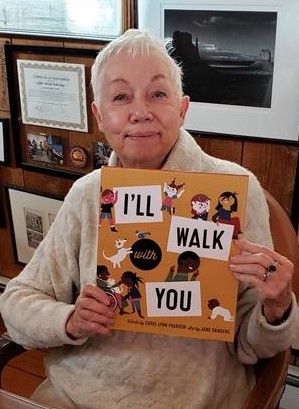
“I’ll Walk With You,” children’s picture book, Gibbs Smith Publisher. An AML Picture Book Award finalist (Carol Lynn’s AML blog post introducing the book)
-
“Finding Mother God: Poems to Heal the World,” Gibbs Smith Publisher. (Carol Lynn’s AML blog post introducing the book)
2022
-
“The Love Map: Saving Your Love Relationship and Incidentally Saving the World,” Pivot Point Books. (AML book review by Andrew Hamilton)
2025
- “The Diaries of Carol Lynn Pearson—Mormon Author, Feminist, and Activist, Volume 1: 1956–1990,” Signature Books
2026
- “The Diaries of Carol Lynn Pearson—Mormon Author, Feminist, and Activist: Volume 2: 1990–2002,” Signature Books
- “The Diaries of Carol Lynn Pearson—Mormon Author, Feminist, and Activist, Volume 3: 2003–2014,” Signature Books